As we near the end of 2024 (!), I’d like to give you all an update on the state of our LOST SHEEP for the past year. The last few months have brought us several new finds – once again giving us hope that there are STILL GPL titles out there to be found – and once again, a thank you to you all for your generosity and eagle eyes.
Here the summary, the most recent first:
1. With a very generous and anonymous donation from one of our GLOSS supporters, along with remaining funds in our kitty from all of you, we have been able to purchase a much-wanted work we thought well out of our reach. With a sizable discount from the bookseller, this will be shipped to Chawton House first thing in the New Year.
HARRIS, Moses. The Aurelian: or, natural history of British insects, namely, moths and butterflies. Together with the plants on which they feed. Published by London for the Author 1773, 1766
First edition, second issue; folio (47 x 28.2 cm); large paper copy, engraved vignette on title-page, engraved coloured schematic plate in preliminaries, 44 hand-coloured engraved plates (the final plate dated 1773, all watermarked Villedary)…
Moses Harris (1730-1787) was an accomplished artist as well as entomologist, and this work contains details of more than forty butterflies and moths, along with some beetles and dragonflies. From the library of Montagu George Knight (1844-1914) of Chawton, great nephew of Jane Austen.
–
[We had already located the other Harris book in the GPL: The English Lepidoptera: or, the Aurelian’s Pocket Companion. containing a Catalogue of upward of Four Hundred Moths and Butterflies (1775) – it is at the National Gallery of Art in Washington, DC]
*******************
2. A search alert for “Montagu George Knight” sent this our way:
Edwards, Bryon. The History, Civil and Commercial, of the British Colonies in the West Indies. by Bryan Edwards, of the Island of Jamaica. [Volume One only]. London. Printed for John Stockdale. 1793.
This is unfortunately only vol. I of a 2 vol. set – it had sold at Sotheby’s in 1965, so where oh where is the volume II? – will keep our eyes open. The bookseller in Canada did give us a discount and has shipped it to Peter, who will bring it to Chawton House on a future trip [the book is quite large and heavy, so he needs to take it when he has nothing else in his luggage!] – front cover is detached, unremarked by the bookseller, but still a great find…
*******************
3. Out of the blue, a gentleman in Germany emailed us that he had a multi-volume set of books by E. D. Clarke that his father had in his extensive collection of works about Africa:
Clarke, Edward Daniel. Travels in Various Countries of Europe, Asia and Africa. 4th ed. 11 volumes. London: T. Cadell and W. Davies, 1816 +.
Our GLOSSians were very generous and we were immediately able to purchase this set and they are now at Chawton House – here are a few images:
– We also discovered with this purchase a correction to the GPL catalogue which clarified the exact title of this set. We are also still looking for Clarke’s other work, A Tour through the South of England, Wales, and part of Ireland, made during the summer of 1791. London: Minerva Press, 1793.
–
Clarke is most interesting to us for a number of reasons: he was the younger brother of James Stanier Clarke, the Prince Regent’s librarian and Jane Austen’s bothersome correspondent. The younger Clarke was quite to die for, unlike his brother, as this image conveys: history may have been different for our Jane if EDWARD had been the Prince’s librarian! [and a great cover for a regency romance…]
The other connection to Jane Austen is that both Clarke boys went to the Tonbridge School, the school George Austen attended…love these sorts of connections… [and with thanks to Azar for the info.]
*******************
4. Another recent find, but alas! not to be returned to Chawton, is a book I found with some random searching at the special collections at NYU:
Orrery, John Boyle, Earl of, 1707-1762. Letters from Italy in the years 1754 and 1755. London: B. White, 1773. With the armorial bookplate : Montagu George, Knight of Chawton [a common cataloguing error… I think Montagu would approve of being catalogued as a knight…]
Images of this title will be on the website soon, with thanks to NYU for permission to publish them.
*****************
So a great year for GLOSS and with hopes for such continuing success in 2025. We could not have done any of this without our Team of GLOSSians who have been ever generous with giving us the ability to find and return these books to Chawton House. Thank you all!
If you would like to be part of the team and be on our email list to be kept current with our search efforts., please send an email to: bygonebooksvt [at] gmail [dot] com .
Wishing all a Very Happy 2025, with wishes for Peace in the World, and that your life will be filled with Fabulous Books!
Thank you to Karen ievers for spotting this book on Bees, now safely back at Chawton House after a successful and not that expensive auction bidding adventure [auction was in German! – one musters through…]
It is in the 1818 GPL catalogue, so another Lost Sheep returns!
Title: A Treatise on the Management of Bees; wherein is contained The Natural History of those Insects; With the various Methods of cultivating them, both Antient and Modern, and the improved Treatment of them. To which are added, The Natural History of Wasps and Hornets, and the Means of destroying them. Illustrated with Copper-Plates. By Thomas Wildman.
Author: Wildman, Thomas (d. 1781)
Date Published: 1768. 1st edition.
Publisher: London:Printed for the Author, and sold by T. Cadell, opposite Catharine-Street, in the Strand.
Location: West case: column 1, shelf 6
In 1908 Catalogue: Yes
**********
The auction catalogue listed it as having the bookplate of Montagu George Knight of Chawton – and Karen’s eagle eyes spotted it for us. Emma at Chawton House has sent along a few pictures which will be added to the website soon:
****************
This is what the Royal Collection Trust has to say about Wildman’s book:
A Treatise on the Management of Bees is a manual on beekeeping and a natural history of bees, wasps and hornets by the English beekeeper Thomas Wildman. Published in 1768, the book offered new advice for the management of bees and demonstrated Wildman’s new design for hives. Wildman’s hive included a removable woven lid and a set of seven frames from which bees could build their honeycomb. He also advocated for the use of multiple skeps (domed baskets used for beehives) so that bees could freely move to a new skep once the old one was full, allowing for the easy retrieval of honey. These innovations removed the need to suffocate the colony prior to the harvesting of honey, allowing for the bees to survive for many years.
Modern hives follow similar principles to Wildman’s innovations, however, box hives, where the bees and their honeycomb can be easily observed for signs of disease, have replaced skeps in many areas.
There is not much on Wildman, but I find this little bit in a catalogue of bee books by Walker [Walker, Lt.-Col. H.J.O. Catalogue of Bee Books, Collected and Offered for Sale by Lt.-Col. H.J.O. Walker, Westholm Mains, Budleigh Salterton, Devon. West Yorkshire: Northern Bee Books, 1985.]:
“Thomas and Daniel Wildman, uncle and nephew, both achieved fame by trick performances with bees… Thomas, a Plymouth man, came to London in 1766…the journals of the day report his exploits… His treatise shows…an unusual knowledge of Continental bee-keeping…” (Walker, p. 78).
He also published A Treatise on the Culture of Peach Trees, Printed for the author, 1768: this is a an English translation of the highly respected Traite de la culture des pecher , first published in Paris in 1745 by de Combles
And it is always fun to run into unexpected and interesting book history: Benjamin Franklin was a subscriber to Wildman’s Bees!
[Now I confess to not scrolling through the list to find this – a grand pursuit if someone wants to read through all the subscribers here – no Austens noted but all sorts of worthies of the time are]: scroll down a few pages to the “Subscribers” list]
Did Edward Knight keep bees? We know his brother Charles was very much into natural history [more than his clerical duties it seems], but were bees kept at Godmersham or Chawton? Anyone know?
Our happy Band of Sheep Finders went off track recently with helping in the acquisition of a rare copy of Charlotte Smith’s Manon L’Escaut– not a Lost Sheep from the Godmersham Park Library, but an important work not in the Chawton House library for early women writers – and it should be. So our generous group of donors [North American Friends of Chawton House and GLOSS] stepped up and contributed to bringing it to Chawton – here is curator Emma Yandle’s post from the CH website, and with hearty thanks to all those GLOSSians who helped put it on the shelves next to Smith’s other works.
*********************
Chawton House has acquired a rare copy of Charlotte Smith’s (1749-1806) first novel, Manon L’Escaut: or, The Fatal Attachment
We are delighted to announce the acquisition of Manon L’Escaut: or, The Fatal Attachment. A French Story (London: Printed for T. Cadell in the Strand, 1786) for our historic books and manuscript collection.
This first – and only – edition of Charlotte Smith’s debut novel is exceptionally rare, with only two other copies listed in private collections in the UK. Following the success of her Elegiac Sonnets in 1784, Smith began her successful career as a novelist with Manon L’Escaut appearing at the end of the 1785 (the title-page listing the following year, as was customary).
Ostensibly a translation of Abbé Prévost’s 1731 novel of the same name, it was conceived by Smith for ‘some English friends who did not read the French’, leading her to ‘translate the whole; or’ – as she pointedly notes – ‘rather to write it anew in English.’[1] Her wording is important for she substantially adapts the original story, changing the characterisations of the criminal Manon, and the hero, the Chevalier des Grieux, in an act of creative translation that rewards further study.[2] It is by far her rarest work, likely due to charges of plagiarism levied by critic George Steevens, which had a terrible impact on sales. Smith declared that she would rather ‘withdraw the book than let Cadell [the publisher] suffer.’[3]
Smith is one of the most important woman writers of the Romantic period, who made substantial contributions to poetry and to the Gothic. Manon L’Escaut is an important work within Smith’s oeuvre, as the transition between her poetry and novel writing.
With this acquisition, Chawton House’s collection contains the complete set of Charlotte Smith’s novels in their first editions. We are grateful for the support of GLOSS (The Godmersham Lost Sheep Society) and individual donors to aid in this purchase.—
[1] ‘Translator’s Preface’ to the above work. [2] See Terry Hale, ‘Translation in Distress: Cultural Misappropriation and the Construction of the Gothic’, in European Gothic: A Spirited Exchange 1760-1960, ed. By Avril Horner. (Manchester: Manchester University Press, 2002), pp.17-38. [3] Catherine Dorset, ‘Charlotte Smith” in Walter Scott, Miscellaneous Prose Works, 6 vols (Edinburgh: Cadell, 1827), vol. iv, p.46
A Bibliography of Smith’s works: [see the CH library catalogue for what they have in the collection]
Elegaic Sonnets and other Essays (London: J. Dodsley, 1784)
Manon Lascaut, or, The Fatal Attachment (trans.) from Abbé Prevost (London: T. Cadell, 1785) (later withdrawn)
The Romance of Real Life, a translation of selected tales from Gayot de Pitaval’s Les Causes Celebres. 3 vols. (London: T. Cadell, 1787)
Emmeline, the Orphan of the Castle. 4 vols. (London: T. Cadell, 1788)
Ethelinde, or the Recluse of the Lake. 5 vols. (London: T. Cadell, 1789)
Celestina: A Novel. 4 vols. (London: T. Cadell, 1791)
Desmond: A Novel. 3 vols. (London: G.G.J. and J. Robinson, 1792)
The Emigrants, a poem, in two books (London: T. Cadell, 1793)
The Old Manor House: A Novel. 4 vols. (London: J. Bell, 1793)
The Wanderings of Warwick, a sequel to The Old Manor House (London: J. Bell, 1794)
The Banished Man: A Novel. 4 vols. (London: T. Cadell junior and W. Davies, 1794)
Rural Walks: In Dialogues: Intended for the Use of Young Persons. 2 vols. (London: Cadell and Davies, 1795)
Montalbert: A Novel. 3 vols. (London: Sampson Low, 1795)
Rambles Farther: A Continuation of Rural Walks: In Dialogues Intended for the Use of Young Persons. 2 vols. (London: Cadell and Davies, 1796)
Marchmont: a Novel. 4 vols. (London: Sampson Low, 1796)
A Narrative of the loss of the Catharine, Venus and Piedmont Transports, and the Thomas, Golden Grove and Aeolus Merchant-ships near Weymouth, on Wednesday the 18th November last. Drawn up from information taken on the spot by Charlotte Smith, and published for the Benefit of an unfortunate Survivor from one of the Wrecks, and her infant child (London: Sampson Low, 1796)
Elegiac sonnets, and other poems. Vol.II. (London: T. Cadell, junior, and W. Davies, 1797)
Minor morals, interspersed with sketches of natural history, historical anecdotes, and original stories. 2 vols. (London: Sampson Low, 1798)
The Young Philosopher: a Novel. 4 vols. (London: Cadell and Davies, 1798)
What is she? A comedy, in five acts, as performed at the Theatre Royal, Covent Garden. (London: Longman and Rees, 1799)
The Letters of a Solitary Wanderer: containing narratives of various description. Volumes 1-3 (London: Sampson Low, 1800-1)
The Letters of a Solitary Wanderer. Volumes 4-5 (London: Longman and Rees, 1802)
Conversations, Introducing Poetry; chiefly on subjects of natural history, for the use of children and young persons, with an engraved portrait of Charlotte Smith, by J. Conde. 2 vols. (London: J. Johnson, 1804)
A History of England, from the Earliest Records, to the Peace of Amiens in a Series of Letters to a Young Lady at School. 3 vols. Volumes 1 and 2 by Charlotte Smith. (London: Richard Phillips, 1806)
Beachy Head, Fables, and Other Poems (London J. Johnson, 1807)
A Natural History of Birds, intended chiefly for young persons. 2 vols. (London: J. Johnson, 1807)
While 2020 can be said to have been a total disaster of a year in so many ways, I am happy to offer up one very exciting, positive, and downright awesome accomplishment: William Cowper is back home at Chawton House.
Now, Cowper was not aware he had been sent from home at some point, but in the history of the whys and wherefores of the books in Edward Austen Knight’s library at Godmersham Park, i.e. why some remained and some were sold, the fact that William Cowper’s Poems left the nest was a sad event, and the finding and returning of it has really been the Holy Grail of our team of diligent GLOSSers. And so we are Happy to report that the deed is done, this Holy Grail of ours now in the safekeeping of the Library at Chawton, and we can all rest easy from here on in.
[UPDATE:Here is a photo in The Times of January 4, 2021, with Chawton House’s Clio O’Sullivan proudly holding up the Cowper for all the world to see – excellent PR!]
Poetic justice: Chawton House, Hampshire, once owned by Jane Austen’s brother, has acquired a first edition of Poems by William Cowper that also belonged to her brother. The book, by Austen’s favourite poet, was probably read by her
**************
What was different about this particular book is that it has been available since the Reading with Austenproject began – for sale at Bernard Quaritch and completely out of our reach. And every time we found ourselves getting closer, another GPL book would show up at auction, and off went our scant funds to purchase it. Enter the Friends of the National Libraries! To their very generous donation to Chawton House for the express purpose of acquiring this Cowper, GLOSS was able to supply the needed additional funds, and the Cowper is now officially at Chawton once again.
The title itself is actually two volumes of poems: the first one published in 1782 was Cowper’s first published work Poems, by William Cowper, of the Inner Temple, Esq. (J. Johnson, 1782)
Title Page, Poems, 1782, RwA website
The second volume is the 1785 published edition of Cowper’s most well-known poem The Task, A Poem in Six Books, to which is added his comic poem “The Diverting History of John Gilpin.” (Johnson, 1785)
Title page, The Task (1785), RwA website
So why William Cowper? What makes this book so important to The Reading with Austen project and the Library at Chawton House?
Does anyone actually read him anymore? Does anyone actually know how to properly pronounce his name?? [it’s Cooper]. Does he perhaps have something to do with Jane Austen??
Well, it all started with Henry Austen – in his “Biographical Notice” in the posthumous publication of his sister’s Northanger Abbey and Persuasion, he writes:
Her reading was very extensive in history and belles lettres; and her memory extremely tenacious. Her favourite moral writers were Johnson in prose, and Cowper in verse.
This then was a ready invitation to find Cowper reflected in all her letters and all her fiction – and one is not disappointed:
In November 1798 [Ltr. 12], Austen writes to Cassandra:
We have got Boswell’s “Tour to the Hebrides’, and we are to have ‘his Life of Johnson’; and, as some money will yet remain in Burdon’s [the bookseller] hands, it is to laid out in the purchase of Cowper’s works.
[Deirdre Le Faye suggests that this would either be the 6th edition of 1797 or the new edition of 1798]. Ed. I believe that the 6th ed. was published in 1794, so a typo, a later printing of the 6th or a later edition??…. shall look into this…
2. And nearly a month later in December 1798 [Ltr. 14], she writes again that “My father reads Cowper to us in the evening, to which I listen when I can.”
3. When next Austen mentions Cowper, in February of 1807, we can readily believe she has memorized all of his poetry, because she drops his lines whenever she can, and it is the Sharp Elves eyes of many an Austen scholar who have found these gems:
Now in Southampton, Austen writes of the Shrubs which border the gravel walk in her garden: “…we mean to get a few of the better kind & at my own particular desire he procures us some Syringas. I could not do without of a Syringa, for the sake of Cowper’s Line. – We talk also of a Laburnam [sic].” [Ltr. 50]
Cowper’s line: from The Task “The Winter Walk at Noon”
‘…Laburnum, rich / In streaming gold; syringa, iv’ry pure.’
************
Reading with Austen – Godmersham Park Library
4. In September 1813, Austen is at Godmersham, and we can perhaps imagine she has this very Cowper in hand when she writes:
“I am now alone in the Library, Mistress of all I survey – at least I may say so & repeat the whole poem if I like, without offence to anybody.” [Ltr. 89]
Here Austen is playing on Cowper’s words in his “Verses, supposed to be written by Alexander Selkirk” where we find:
“I am monarch of all survey, My right there is none to dispute; From the centre all round to the sea, I am lord of the fowl and the brute.”
5. In November of the same year, and again at Godmersham, Austen writes of Henry’s man-servant William, who apparently is a lover of the country rather than of city life: “An inclination for the Country is a venial fault. – He has more of Cowper than of Johnson in him, fonder of Tame Hares & Blank verse than of the full tide of human Existence at Charing Cross.” [Ltr. 95]
Cowper writes in concluding “The Sofa”:
God made the country, and man made the town. What wonder then, that health and virtue, gifts That can alone make sweet the bitter draught That life holds out to all, should most abound And least be threaten’d in the fields and groves? Possess ye therefore, ye who, borne about In chariots and sedans, know no fatigue But that of idleness, and taste no scenes But such as art contrives, possess ye still Your element; there only ye can shine, There only minds like yours can do no harm. Our groves were planted to console at noon The pensive wand’rer in their shades. At eve The moon-beam, sliding softly in between The sleeping leaves, is all the light they wish, Birds warbling all the music. We can spare The splendour of your lamps, they but eclipse Our softer satellite. Your songs confound Our more harmonious notes: the thrush departs Scar’d, and th’ offended nightingale is mute. There is a public mischief in your mirth, It plagues your country. Folly such as your’s, Grac’d with a sword, and worthier of a fan, Has made, which enemies could ne’er have done, Our arch of empire, steadfast but for you, A mutilated structure, soon to fall.
*******************
Now for the Novels:
First, in Sense and Sensibility, Marianne bemoans Edward’s appalling lack of emotive reading skills:
“Oh! mama, how spiritless, how tame was Edward’s manner in reading to us last night! …To hear those beautiful lines which have frequently almost driven me wild, pronounced with such impenetrable calmness, such dreadful indifference!-
“He would certainly have done more justice to simple and elegant prose. I thought so at the time, but you would give him Cowper.”
“Nay, mama, if he is not to be animated by Cowper! – but we must allow for differences of taste…but it would have broke my heart had I loved him, to hear him read with so little sensibility.” [S&S, Vol. I, ch. 3]
And later, from Elinor:
“Well, Marianne…you have already ascertained Mr. Willoughby’s opinion in almost every matter of importance. You know what he thinks of Cowper and Scott; you are certain of his estimating their beauties as he ought, and you have received every assurance of his admiring Pope no more than is proper.” [S&S, Vol. I, ch. 10]
2. InEmma, Mr. Knightley, keen observer of Frank and Jane, conjures up Cowper:
…he could not help remembering what he had seen; nor could he avoid observations which, unless it were like Cowper and his fire at twilight,
‘Myself creating what I saw,’
brought him yet stronger suspicion of there being a something of private liking, of private understanding even, between Frank Churchill and Jane. [Emma, vol. III, ch. 5, quoting The Task, Book IV, “The Winter Evening”].
3. Fanny in Mansfield Park twice quotes Cowper:
Her horror at Mr. Rushworth’s plans to “improve” Sotherton:
Cut down an avenue! What a pity! Does not it make you think of Cowper? ‘Ye fallen avenues, once more I mourn your fate unmerited’ (from The Task, Book I, “The Sofa”)
And later, Fanny, stranded in Portsmouth, again quotes Cowper in Vol. III, ch. 14:
Her eagerness, her impatience, her longings to be with them, were such as to bring a line or two of Cowper’s Tirocinium forever before her. “With what intense desire she wants her home,” was continually on her tongue, as the truest description of a yearning which she could not suppose any school-boy’s bosom to feel more keenly.
Cowper’s “Tirocinium: or, A Review of Schools” (1785, published with The Task) is a poem Cowper wrote addressed to a father who has sent his son away to school; Cowper “recommend[s] private tuition in preference to an education at school.”
But Cowper is much more than a quote here and there in Mansfield Park. Kerri Savage, in her Persuasions On-line essay: “Attending the Interior Self: Fanny’s ‘Task’ in Mansfield Park,” believes that the character of Fanny actually embodies all that Cowper espouses in The Task, and that “ultimately [Cowper’s] Task emphasizes the individual who makes a difference in the world as one who ‘attends to his interior self.’ Cowper contrasts the immorality in the city with the quiet, green rural life that nurtures the introspective moral life,” as we saw above. Sounds just like Fanny, doesn’t it?
************
5. And in Austen’s unfinished Sanditon, Cowper is found in Mr. Heywood’s responding to Mr. Parker that he knows not a thing about the famous bathing spot Brinshore:
“Why, in truth, sir, I fancy we may apply to Brinshore, that line of the Poet Cowper in his description of the religious Cottager, as opposed to Voltaire – ‘She, never heard of half a mile from home’” [from “Truth” in Poems, 1782)
….Cowper’s point being that the happy cottager is content with her faith and her rural life, unlike the worldly Voltaire:
She for her humble sphere by nature fit, Has little understanding, and no wit, Receives no praise, but (though her lot be such, Toilsome and indigent) she renders much; Just knows, and knows no more, her bible true, A truth the brilliant Frenchman never knew, And in that charter reads with sparkling eyes, Her title to a treasure in the skies. Oh happy peasant! Oh unhappy bard! His the mere tinsel, her’s the rich reward; He prais’d perhaps for ages yet to come, She never heard of half a mile from home…
*****************
We think of Cowper as a moral, religious poet, with a tendency to melancholy, musing on the beauties of nature and rural life, and why Henry emphasized Austen’s appreciation of him in his overly sanitized biographical essay. But in reading a few poems [can I confess to not doing much with Cowper before? – here’s an Aside: I looked in all my college British Literature texts – Cowper is there, but we touched on nary a single one of his poems!]… but in now finally reading a few of his poems, I do find much humor, especially the very comic “The Diverting History of John Gilpin.”
First published anonymously in The Public Advertiser in 1782, and then in The Task in 1785, “John Gilpin” has been rendered into a number of children’s books, notably by Randolph Caldecott in 1878 – his illustration of Gilpin on his wild run has even become the symbol of the esteemed children’s book award, the Caldecott Medal:
Randolph Caldecott, John Gilpin [wikipedia]
It was also illustrated by Charles E. Brock, noted illustrator of Jane Austen’s novels. [I love these connections!]:
And certainly knowing the backstory of and a reading of the beginning of The Task, can bring to mind an appreciative young Austen reading these works with much laughter and perhaps a bit of idea-plucking for her very own juvenilia?
Couch by Gillows, London, 1805 – V&A Museum. In Regency Furniture, by Clifford Musgrave, 1961 [author’s collection]
Here’s “The Sofa” story and how The Task came to be, as Cowper describes it himself:
The history of the following production is briefly this. A lady, fond of blank verse, demanded a poem of that kind from the Author, and gave him the SOFA for a subject. He obeyed; and, having much leisure, connected another subject with it; and, pursuing the train of thought to which his situation and turn of mind led him, brought forth at length, instead of the trifle which he at first intended, a serious affair – a Volume. [Advertisement to The Task, 1785].
The Lady in question was Lady Ann Austen [no relation!], and the interesting history of Lady A and Cowper is a project for another day – but I send you to this essay by K. E. Smith if your curiosity has been roused and you must know the details: https://cowperandnewtonmuseum.org.uk/wp-content/uploads/2020/08/Vol02_2_1.pdf
“The Sofa” begins thus: from The Task, A Poem, In Six Books, Book I. The Sofa.
SING the SOFA. I who lately sang Truth, Hope and Charity, and touch’d with awe The solemn chords, and with a trembling hand, Escap’d with pain from that advent’rous flight, Now seek repose upon an humbler theme; The theme though humble, yet august and proud Th’ occasion — for the Fair commands the song.
We can recall Austen’s penchant for sofas in her juvenilia – one is always quite relieved to find one always at the ready when needed!
[Note: Laurie Kaplan in her Persuasions On-Line essay references other aspects of Austen’s juvenilia in relation to Cowper’s love of the Country vs. the City:
“…for example, in “Letter the 4th: Laura to Marianne” in Love and Freindship, Jane Austen may have been alluding laughingly to Cowper’s preference for the simple life. Laura tells Marianne that she has been warned: “‘Beware of the insipid Vanities and idle Dissipations of the Metropolis of England; Beware of the unmeaning Luxuries of Bath & of the Stinking fish of Southampton’” (78-79). “‘Alas!,’” Laura exclaims, “‘What probability is there of my ever tasting the Dissipations of London, the Luxuries of Bath or the stinking Fish of Southampton? I who am doomed to waste my Days of Youth & Beauty in an humble Cottage in the Vale of Uske.’”]
I offer you a brief version: [short-shift really – do yourself a favor and read all the links I provide – it is all very interesting, whether my English professors at the time thought so or not…]
William Cowper (1731-1800) was born in Berkhamsted, Hertfordshire, and was known for his nature, religious, and humanitarian poetry. He was the most-read poet between the eras of Alexander Pope and William Wordsworth. Coleridge called him “the best modern poet,” and he is considered a major influence on the Romantic poets.
[A totally irrelevant Aside: I lived for a number of years in Barkhamsted, Connecticut, which was incorporated in 1779 and named after England’s Berkhamsted. The Town of Barkhamsted presented Berkhamsted with a gavel and block on July 4, 1976 in celebration of the United States Bicentennial – the Berkhamsted Town Council uses it in its meetings. I wonder if I had known about William Cowper at the time, if I would have been better versed in his poetry today!]
************
John Newton (1725-1807) – wikipedia
Cowper’s friendship with John Newton [hence the combined Museum in their names] was foundational in many ways in Cowper’s life and writings. Newton was a former captain of a slave ship who became a staunch abolitionist, wrote the hymn “Amazing Grace,” and invited Cowper to contribute hymns to his Olney Hymns (1779) – Cowper wrote 67 of them [some sources say 68]! Newton also wrote the preface to Cowper’s first published Poems (1782) – this was suppressed by the publisher who thought its overly religious tone might discourage readers, but the preface is here in this 1st edition Godmersham copy, making it the earliest of printing runs before Johnson stepped in and had it removed, and the more rare indeed.
In a letter of 3 October 1790, Cowper wrote to Joseph Johnson, asking him to reinstate the preface—which was done for the 5th edition of 1793 and for all subsequent editions published by Johnson, including the 6th of 1794. [I thank Peter Sabor for this information. located in The Letters and Prose Writings of William Cowper. 5 vols. Oxford UP, 1979-86].
It was meant to be sung as the ballad “Admiral Hosier’s Ghost” to the tune of “Come and Listen to my Ditty” – you can listen to the first stanza here, with thanks to the Smithsonian Folkways Recordings:
The Negro’s Complaint
[first stanza]
Forc’d from home and all its pleasures, Afric’s coast I left forlorn; To increase a stranger’s treasures, O’er the raging billows borne. Men from England bought and sold me, Paid my price in paltry gold; But, though theirs they have enroll’d me, Minds are never to be sold….
************
Cowper’s life was a roller-coaster of manic episodes, poetry his main outlet for expression. He was trained in the Law but did not practice [hence his “of the Inner Temple, Esq.”], and seemed to have been dependent on the kindness of friends and loved ones to get him through his trying times. He published his first book of Poems in 1782, not a success apparently; published his “Epitaph on a Hare” [see above for Austen’s reference to the “Tame Hares”!] in The Gentleman’s Magazine in 1784 (as well as Cowper’s letter on his hares which you can read here: https://www.cowperandnewtonmuseum.org.uk/wp-content/uploads/2012/02/mw_tame_hares.pdf, but it was the1785 publication of The Task that did very well and ensured his popularity. He also translated Homer’s Iliad and the Odyssey from the Greek in 1791.
So much of his output was autobiographical, and his 1799 poem “The Castaway” gives the reader a true sense of his emotional struggles. He died in 1800 and is buried at the St. Nicholas Church in East Dereham, where a stained glass window commemorates his life. There is also one at St. George’s chapel in Westminster Abbey, a two light stained glass window in memory of both Cowper and George Herbert.
Cowper stained glass at St. Nicholas Church in East Dereham – wikipedia
And he lives on and on because Jane Austen mentions him numerous times in her letters and novels [do they read him now in British Literature college classes I wonder?!]
So Welcome Home Mr. Cowper – we are most pleased you are no longer missing, no longer a LOST SHEEP! Kudos to the Friends of the National Libraries and to the dedication and generosity of the GLOSS team!
************
References:
Austen, Jane. The Letters of Jane Austen. Ed. Deirdre Le Faye. 4th ed. Oxford: Oxford UP, 2011.
Austen, Jane. The Novels: I referred to the Oxford Classics editions, the Chapman Oxford editions, and the Cambridge editions for text and notes.
Great news all! Our GLOSS team has been successful in locating and returning another title [Memoirs of Saint-Simon] formerly housed in Edward Austen Knight’s Godmersham Park library! It has the Montagu George Knight bookplate and the shelf ticket from the library. Purchased at Arenberg Auctions in Brussels (yours truly happily won the bidding, despite the entire auction being conducted in French!), it is now safe and sound in the Chawton House library collection:
Saint-Simon, Louis de Rouvroy duc de. Mémoires de monsieur le duc de S. Simon, ou L’observateur véridique, sur le règne de Louis XIV, & sur les premières époques des règnes suivans. Londres ; et se trouve à Paris, Buisson ; Marseille, Jean Mossy, 1788.
[Saint-Simon, Louis de Rouvroy duke of. Memoirs of Monsieur le Duc de S. Simon, or The Truthful Observer, on the reign of Louis XIV, and on the first periods of the following reigns].
This is the first substantial edition of these famous Mémoires, the complete edition of which will not appear until 1829-1831. Without the suppl. printed in 1789.
Portrait of Louis de Rouvroy, duke of Saint-Simon, knight of the King of France’s Orders in 1728. By Jean-Baptiste van Loo. Private collection (Le Mallier, matrilineal heirs to the last duke of Saint-Simon, castle of Chasnay), reproduction after a photograph of the original painting [Wikipedia]
Louis de Rouvroy, duc de Saint-Simon was born in Paris in 1675, son of the first duke Claude de Rouvroy (1608–1693) and Charlotte de L’Aubespine, daughter of François, marquis de Hauterive by his wife, Eléonore de Volvire, marquise de Ruffec. King Louis XIII appointed Claude a Master of Wolfhounds and granted him a dukedom in 1635 [the title’s name refers to the seigneury that was held by the Rouvroy family at Saint-Simon in Aisne]. Louis’s godparents were Louis XIV and Queen Marie-Thérèse.
In 1695 Louis married Marie-Gabrielle de Durfort, daughter of Guy Aldonce Durfort, Duke of Lorges; they had three children. The dukedom passed from father to son Louis in 1693; he was the second and last holder of the title, since his two sons predeceased him.
The Blason famille de Saint-Simon []]wikipedia
The Memoires:
Louis’s memoirs are a classic of French literature, wherein Louis gives a full and lively account of the court of Versailles of Louis XIV, “The Sun King,” and the beginnings of the Regency of Louis XV. [Do not let all these Louis’s confuse you – it is part and parcel of French history and cannot be avoided…she says confusedly]
“In the Memoirs, Saint-Simon’s observations allowed him to describe vividly both the elegance and the corruption of the court of Versailles. Despite some errors of fact and interpretation, his knowledge of history made him aware of the breakdown of traditional checks and balances that underlay Louis XIV’s royal absolutism and which was to lead, in the next century, to the French Revolution. Saint-Simon’s intensely written accounts of court intrigues and such events as the deaths of the Grand Dauphin, the Duke of Burgundy, and Louis XIV himself—as well as his incisive word portraits of his fellow courtiers—make him perhaps the world’s greatest writer on the prestige, the ambitions, the uncertainties, and the ironies of public life. He completed his Memoirs in 1752.”
When Saint-Simon died in Paris in March 1755, mostly in debt and out of favor, all his possessions, including his writings, were seized by the Crown. According to Wikipedia, these“Mémoires were kept under sequestration and only circulated through private copies and excerpts until the restitution of the manuscript to his heirs in 1828.”
What is apparent is that this 3-volume set from the Godmersham Park was a collection of extracts, published long before the complete editions began to appear beginning in 1828.
And read this shorter-than-the-Memoirs-version about Louis XIV here: “Portrait of the Sun King: From the Writings of Louis de Saint-Simon, Giovanni Battista Primi Visconti, and Ezechiel von Spanheim”: https://pages.uoregon.edu/dluebke/WesternCiv102/Saint-Simon.pdf
*******************
Louis-Philippe I, King of the French, by Winterhalter [wikipedia]
Did Jane Austen ever comment on Louis XIV? – she had much to say in her History of England about the British monarchs, but she made only a passing reference to the Duke and Duchess of Orléans and the D’Entraigues in her letters [and one tiny reference to Louis XIV – see below]. Members of the French royal family who has sought refuge in England during the tumultuous revolution in France, Louis-Phillipe (1773-1840) and his wife Marie-Amélie (1782-1866) [she was the niece of Marie Antoinette] lived in England for part of their exile. Returning to France during the Bourbon Restoration, Louis-Philippe was chosen as King of the French and reigned from 1830-1848. They returned to England in 1848 after his abdication [following the history of France and its monarchy is a chaotic exercise, so only here mentioning this Louis-Philippe because Jane Austen did]:
In September of 1816, Cassandra is visiting Cheltenham (where she and Jane had visited in May), and Jane writes:
“The Duchess of Orleans, the paper says, drinks at my Pump.”[Ltr. 144, Sept 1816]. And a few days later she writes again:
“So, you have C. Craven [Charlotte Craven] among you, as well as the Duke of Orleans & Mr. Pococke. But it mortifies me that you have not added one to the stock of common acquaintance. Do pray meet with somebody belonging to yourself. – I am quite weary of your knowing nobody.”[Ltr. 145, Sept 1816]
Austen also refers to the D’Entraigues & Comte Julien in April 1811:
“…[they] cannot come to the Party – which was at first a greif, but…their not coming has produced our going to them tomorrow Even’g, which I like the idea of. It will be amusing to see the ways of a French circle.”
And later,
“Eliza caught her cold on Sunday in our way to the D’Entraigues…Eliza enjoyed her even’g very much & means to cultivate the acquaintance – & I see nothing to dislike in them, but their taking quantitites of snuff. – Monsieur the old Count, is a very fine looking man, with quiet manners, good enough for an Englishman – & I believe is a Man of great Information & Taste. He has some fine paintings, which delighted Henry as much as the Son’s music gratified Eliza – & among them, a miniature of Philip 5. of Spain, Louis 14.s Grandson, which exactly suited my capacity. – Count Julien’s performance is very wonderful… but M. le Comte must do without Henry. If he w’d but speak English, I would take to him.”[Ltr. 71, April 1811].
Emmanuel-Louis de Launay, comte d’Antraigues
[As an aside, because here’s a tale to tell, and Austen doesn’t mention a thing about it: the Comte Emmanuel-Louis D’Antraigues (1753-1812) was a French pamphleteer, diplomat, spy and double agent, forger, and political adventurer. He and his wife were both murdered in their London home on July 22, 1812 by their Italian servant, either for personal or political reasons, who can tell – but this is a mere one year and three months after Austen visited them…]
So, we do know that Austen certainly followed the events in France – she had after all two brothers who served in the Royal Navy, and for most of her life England was at war with France. Her knowledge of French and French history would have increased due to her close relationship with her cousin Eliza (later her brother Henry’s wife), married to a French Count who lost his head to the guillotine. Austen peppers her letters with French phrases, though not so much in the novels [for a great discussion read Joan Austen-Leigh’s account “Jane Austen: The “French Connection” in Persuasions 20 (1998): 106-18].
This happy but confusing aside into French history is to just address the question whether Jane Austen read French, the general consensus being that she did. Did she read this very book about Louis XIV? She may have, or at least we can imagine her pulling it off the shelf – South Case, column 5, shelf 1 to be exact! [see here on the Reading with Austen website [pictures soon to be added].
OR, maybe Austen just pretended to understand France and French history and the French language, à la Catherine Morland…
Regardless, this French title is now in the library at Chawton House, where it certainly belongs – kudos to all on the intrepid GLOSS team for help in getting these memoir volumes back home!
For our ‘Reading with Austen’ Readers: I posted this originally on my Jane Austen in Vermont blog, but thought it would be an interesting exercise to see which of the many books mentioned by Janice Hadlow in herThe Other Bennet Sister were actually in Edward Knight’s library at Godmersham – so here is the post, with the addition of all titles in the the GPL and whether they are safe in the Knight Collection, or LOST SHEEP.
*******************
In Janice Hadlow’s The Other Bennet Sister, a brilliant effort to give the neglected-by-everyone Mary Bennet a life of her own, Mary’s reading is one of the most important aspects of the book – we see her at first believing, because she knows she is different than her other four far prettier and more appealing sisters, that her prospects for the expected life of a well-married woman are very limited, and that she must learn to squash her passions and live a rational life. She also mistakenly thinks that by becoming a reader of philosophical, religious, and conduct texts that she will finally gain approval and maybe even love from her distant, book-obsessed father.
So Mary embarks on a course of serious rational study – and one of the most insightful things in the book is that she learns, after much pain and introspection, that this is no way to lead a life, to find happiness, to find herself. She rejects the novels like the ones Mrs. Bennet finds at the local circulating library as being frivolous, largely because James Fordyce tells her so…
So, I have made a list of all the titles that Hadlow has Mary reading or referring to – all real books of the time, and many mentioned and known by Jane Austen. Hadlow is very specific in what books she puts in Mary’s hands! And shows her own knowledge of the reading and the reading practices of Austen’s era. [If anyone detects anything missing from this list, please let me know…]
I am giving the original dates of publication of each title; most all the titles in one edition or another are available on Google Books, HathiTrust, Internet Archive, or the like – I provide a few of those links, if you are so inclined to become such a rational reader as Mary….
***************
Anonymous. The History of Little Goody Two Shoes (show JA’s copy). London: John Newbury, 1765. Attributed to various authors, including Oliver Goldsmith. We know that Jane Austen has her own copy of this book, here with her name on it as solid proof.
This exact copy, as noted in Gilson K1, is owned by the great-grandsons of Admiral Sir Francis Austen. It has been on display in the exhibition at the Jane Austen’s House in Chawton in 1975 and at the British Library in 1976.
Mrs. [Sarah] Trimmer. The Story of the Robins. Originally published in 1786 as Fabulous Histories, and the title Trimmer always used. You can read the whole book here: https://en.wikisource.org/wiki/The_Story_of_the_Robins
Rev. Wetenhall Wilkes. A Letter of Genteel and Moral Advice to a Young Lady: Being a System of Rules and Informations: Digested Into a New and Familiar Method, to Qualify the Fair Sex to be Useful, and Happy in Every Scene of Life. London, 1746. Another conduct book.
Catharine Macaulay. The History of England. 8 vols. London, 1763-83. A political history of the seventeenth century, covering the years 1603-1689. This was very popular and is in no way related to the later History published by Thomas Babington Macaulay. You can read more about this influential female historian in this essay by Devoney Looser: Catharine Macaulay: The ‘Female Historian’ in Context
5 volumes only are noted in the GPL catalogue and all are extant in the Knight Collection:
Rev. James Fordyce. Sermons to Young Women. London, 1766. A conduct manual.
In Pride and Prejudice, Mr. Collins chooses to read Fordyce’s Sermons to Young Women aloud to the Bennet sisters, Lydia especially unimpressed: “Lydia gaped as he opened the volume, and before he had, with very monotonous solemnity, read three pages, she interrupted him …’.
Listed in the GPL and in the Knight Collection at Chawton House:
*************
Frances Burney. Evelina, or the History of a Young Lady’s Entrance into the World. London, 1778. Hadlow gives Evelina a good hearing – in the discussion in Mr. Bennet’s library with Elizabeth and Mary. Elizabeth directly quotes Austen’s own words in defense of the novel that are found in Northanger Abbey. [Evelina, and Mary’s difficulty in coming to terms with such a frivolous story, is mentioned more than once].
Evelina. U Michigan Library
The only work of Frances Burney listed in the GPL is The Wanderer – and that remains in the Knight Collection – only 3 of the 5 volumes, volumes 1 and 5 have gone missing… so are LOST SHEEP:
***********
Other Novels mentioned are:
– Samuel Richardson. The History of Sir Charles Grandison. London, 1753. 7 vols. Reported to be Austen’s favorite book, all seven volumes!
And all 7 volumes are in the GPL catalogue and remain in the Knight Collection: [but where oh where is Pamela??]
*************
– Henry Fielding. The History of Tom Jones, a Foundling. 4 vols. London, 1749. Supposedly the reason Richardson wrote his Grandison. [Mentioned more than once] – and here we find three LOST SHEEP:
There are three Fielding titles in the GPL:
Tom Jones (1749 – it says it is 6 volumes) – it is however, a LOST SHEEP
A Journal of a Voyage to Lisbon (1755) – a LOST SHEEP
And Joseph Andrews (1742) – a LOST SHEEP
****************
– Laurence Sterne. The Life and Opinions of Tristram Shandy, Gentleman. 9 vols. London, 1759-1767.
In the GPL catalogue and in the Knight Collection – only 2 volumes are listed, dated 1760, 2nd ed. Sterne published the first 2 volumes in 1759, and seven others followed over the next seven years (vols. 3 and 4, 1761; vols. 5 and 6, 1762; vols. 7 and 8, 1765; vol. 9, 1767).
The GPL also lists Sterne’s The Sermons of Mr. Yorick (London, 1765-66) – and the 7th ed. is happily in the Knight Collection.
***************
Hugh Blair – wikipedia
Hugh Blair. Sermons. Vol. 1 of 5 published in 1777.
“You assign greater consequence to the clergyman than one has been used to hear given, or than I can quite comprehend. One does not see much of this influence and importance in society, and how can it be acquired where they are so seldom seen themselves? How can two sermons a week, even supposing them worth hearing, supposing the preacher to have the sense to prefer Blair’s to his own, do all that you speak of? govern the conduct and fashion the manners of a large congregation for the rest of the week? One scarcely sees a clergyman out of his pulpit.”
Well, both Blair’s Sermons (all 5 volumes of varying dates) and Blair’s Lectures on Rhetoric and Belles Lettres. 11th ed. 3 volumes (London, 1809), are in the GPL catalogue and remain in the Knight Collection:
***************
William Paley, by George Romney (wikipedia)
William Paley. A View of the Evidences of Christianity. London, 1794.
Paley is well-represented in the GPL: this Evidences(2nd. ed., 1794) – in the Knight Collection, but also his:
– The principles of moral and political philosophy. By William Paley, M.A. Archdeacon of Carlisle. The second edition corrected (London, 1786) – in the Knight Collection.
– Horæ Paulinæ, or the truth of the scripture history of St. Paul evinced, by a comparison of the epistles which bear his name, with the Acts of the Apostles, and with one another. By William Paley, M.A. Archdeacon of Carlisle. 1st ed. (London, 1790) – in the Knight Collection.
– Natural Theology; or, Evidences of the Existence and Attributes of The Deity, collected from the appearances of nature. By William Paley, D.D. Late Archdeacon of Carlisle. The Sixteenth Edition, 1 vol. (London, 1819) – a LOST SHEEP
******************
Aristotle. The Ethics of Aristotle. [no way to know the exact edition that Mr. Collins gives to Mary – it’s been around for a long time!]
The GPL lists only one Aristotle title, and this is a LOST SHEEP:
Aristotelous Peri Poiētikēs. Aristotelis De Poetica Liber. Textum recensuit, versionem refinxit et animadversionibus illustravit, Thomas Tyrwhitt. Editio Tertia (Oxford, 1806).
****************
Mentions: all Enlightenment thinkers and heavy reading for Mary!
John Locke – LOC (wikipedia)
– John Locke: the GPL lists only this title and it is a LOST SHEEP
Two Treatises of Government: In the Former, The false Principles and Foundation of Sir Robert Filmer, And his Followers, Are Detected and Overthrown. The Latter, is an Essay Concerning the True Original, Extent, and End of Civil Government. By John Locke Esq; The Fifth Edition. 1 vol. (London, 1728).
***
– Jean-Jacques Rousseau: much more popular in Edward’s library! – there are several titles listed, these all in the Knight Collection:
Emilius; or, an Essay on Education. By John James Rousseau, Citizen of Geneva. Translated from the French by Mr. Nugent. In two volumes (London, 1763)
A Project for Perpetual Peace. By J. J. Rousseau, Citizen of Geneva. Translated from the French, with a Preface by the Translator (London, 1761).
Lettres de deux amans, Habitans d’une petite Ville au pied des Alpes. Recueillies et publiées par J.J. Rousseau. 3 vols. (Amsterdam, 1761)
Oeuvres diverses de Mr. J.J. Rousseau, citoyen de Genève. 2 vols. (Amsterdam, 1762):
There is some LOST SHEEP material here, but what is actually missing needs to be sorted – M Rousseau is in need of further investigation and might get his very own blog post!
Collection complette des oeuvres de J.J. Rousseau. 1774-1783. partially a LOST SHEEP
**************
David Hume (McGill)
– David Hume has three titles in the GPL:
The History of England, from The Invasion of Julius Cæsar to the Accession of Henry VII. Containing the Reign of The Prince before Conquest, William the Conqueror, William Rufus, Henry I., Stephen, Henry II, Richard I. and John. By David Hume, Esq. 1 vol. (London, 1777) – in the Knight Collection.
Essays, Moral and Political. The Second Edition, Corrected. 2 vols. (Edinburgh, 1742) – a LOST SHEEP (though we know it sold at auction in 2013).
The Life of David Hume, Esq. written by himself. 1 vol. (London, 1777) – a LOST SHEEP
*************
A Dictionary of the Greek Language – Mr. Collins gives a copy to Mary:
We cannot know what book Mr. Collins gives Mary – but there are a number of titles in the GPL either in Greek or translated from the Greek. There is this one Greek grammar which I shall include here since it is a LOST SHEEP:
The Elements of Greek grammar, with notes for the use of those who have made some progress in the language. By Richard Valpy. 1 vol. (London, 1805).
*************
Edward Young. Night Thoughts. 1743. wikipedia
Edward Young. The Complaint: or, Night-Thoughts on Life, Death, and Immortality. [Known as Night-Thoughts]. London, 1742-45. [No wonder Mr. Hayward suggested a lighter type of poetry!]
This is in the GPL and is unfortunately a LOST SHEEP: The complaint: or, night-thoughts on life, death, and immortality. By Edward Young. 2 vols. (London, 1746).
**************
image: wikipedia
William Wordsworth, portrait by Henry Edridge, 1804; in Dove Cottage, Grasmere, England. Britannica.com
William Wordsworth. Lyrical Ballads. London, 1798. Full title: Lyrical Ballads, with a Few Other Poems is a collection of poems by William Wordsworth and Samuel Taylor Coleridge [Mr. Hayward does not mention Coleridge at all!], first published in 1798 and considered to have marked the beginning of the English Romantic movement in literature. Most of the poems in the 1798 edition were written by Wordsworth; Coleridge has only four poems included, one being his most famous work, The Rime of the Ancient Mariner.
Well, I find this interesting – The Knights must not have been much for the Romantics! Wordsworth, Coleridge, Byron, Keats, Shelley – none are in the GPL at all; Robert Southey has three titles, all in the Knight Collection, so I shall leave him for another day…
*********************
William Godwin. Enquiry Concerning Political Justice and its Influence on Morals and Happiness. London, 1793. [Godwin married Mary Wollstonecraft and was the father of Mary Godwin Shelley]. Outlines Godwin’s radical political philosophy.
William Godwin (portrait by James Northcote) and Mary Wollstonecraft (portrait by John Opie) – from BrainPickings.org
No Godwin either, nor any Wollstonecraft…
************
Machiavelli (wikipedia)
Machiavelli – is referred to by Mary, so assume she is familiar with his The Prince (1513).
But we do find Machiavelli!:
The Works of the famous Nicolas Machiavel, Citizen and Secretary of Florence. Written OriginaIly in Italian, And from thence newly and faithfully Translated into English. 1st ed. 1 vol. (London, 1695) – a LOST SHEEP
****************
Image: Guide to the Lakes. ‘View on Winandermere’ [now called Windermere], by Joseph Wilkerson. Romantic Circles
William Wordsworth. Guide to the Lakes. [full title: A Guide through the District of the Lakes] – first published in 1810 as an anonymous introduction to a book of engravings of the Lake District by the Reverend Joseph Wilkinson. A 5th and final edition was published in 1835 – you can read that online at Romantic Circles here, along with a full account of its rather tormented publication history: https://romantic-circles.org/editions/guide_lakes
Alas! no Guide either…
******************
John Milton. Paradise Lost. A mention by Mr. Ryder who is defeated by its length, so we know Mary was familiar with it.
Milton gets his due in the GPL:
Paradisus Amissus. Poema Joannis Miltoni. Latine Redditum A Guilielmo Dobson, LL.B. Nov. Coll. Oxon. Socio. [By John Milton, trans. William Dobson, William]. 1 vol. (Oxford, 1750) – in the Knight Collection.
Paradise Lost. A Poem. The Author, John Milton. 1 vol. (London, 1736) – this is a FOUND SHEEP– thanks to three of our esteemed GLOSS Friends!:
Paradise lost. A poem, in twelve books. The Author John Milton. 1 vol. (London, 1751). This is LOST SHEEP (perhaps Mary Bennet absconded with it??)
Paradise regain’d. A poem, in four books. To which is added Samson Agonistes; and Poems upon Several Occasions: And Poems upon Severl Occasions. The author John Milton. The Second Edition, With Notes of various Authors, By Thomas Newton, D. D. 1 vol. (London, 1743) – another LOST SHEEP.
***********
The Edinburgh Review / The Quarterly Review – brought to Mary by Mr. Ryder, and for which Mr. Hayward perhaps wrote his reviews. The Edinburgh Review (1802-1929); Quarterly Review (1809-1967, and published by Jane Austen’s publisher John Murray) – both were very popular and influential publications of their time…
None are listed in the GPL catalogue, which is not to say that the Knights and Family did not pour over these on a regular basis…
*********************
The Other Bennet Sister is an enjoyable read – it is delightful to see Mary Bennet come into her own, that despite what she viewed as an unhappy childhood, she finds her way through a good number of books in a quest to live a rational, passionless existence. And that the development of some well-deserved self-esteem with the help of various friends and family, might actually lead her to a worthy equal partner in life, just maybe not with Mrs. Bennet’s required £10,000 !
Our GLOSS Team is very pleased to announce a new LOST SHEEP that has been returned to the Fold!
Pharmacopoeia Collegii Regii Medicorum Edinburgensis. [By the Royal College of Physicians of Edinburgh]. Edinburgi, Apud W. Sands, A. Murray, & J. Cochran. Sumptibus J. Patoni ibidem Bibliopolae. MDCCXLIV. [Fourth Edition].
A little history:
“Before the existence of the Pharmacopoeia, there were no standardised recipes or methods of producing remedies for apothecaries, and no book or manual for physicians to consult when prescribing drugs or ointments. The move towards standardising medical teaching and practice was yet to happen, and this book acted as the first chain in that process of professionalisation.” [RCPE]
The College of Physicians of London had first published their own Pharmacopoeia in 1618. The Royal College of Physicians of Edinburgh attempted their own such manual in 1683, but ongoing infighting between surgeons and apothecaries delayed the actual publication until 1699. And what followed is an interesting and confusing history of twelve editions with many changes, some due to advances in chemistry and medical science, some due to previous editions having sold out, and some due to infighting as to what should actually be included and how it should be listed.
The various editions remained in general use in Scotland until 1864, when it combined with the London and Dublin Pharmacopoeias in 1864 to create the British Pharmacopoeia, still in use today. But unlike most other medical writing that since around 1750 was rendered in English rather than Latin, the Edinburgh Pharmacopoeia was still published in Latin until the 11th ed of 1839. Translations were made into English and many other languages, and this added to the confusion when trying to gain an understanding of all available editions. None of the various editions stated as such, and only by studying the introductory material and the contents listings can it be determined how much revising actually took place. Fortunately David L. Cowen did all this work for the researcher in 1957 (see resources below).
****************
Cowen lists the following editions:
First – 1699 Second – 1722 Third – 1735 Fourth – 1744 Fifth – 1756 Sixth – 1774 Seventh – 1783 Eighth – 1792 Ninth – 1803 Revised Ninth – 1805 Tenth – 1817 Eleventh (first in English) – 1839 Twelfth (second in English) – 1841
**********
In this image of the 1st edition of 1699, notice the “device” on the title page:
1st ed. 1699 – image from the RCPE
As Cowen notes,
“in the first edition, the device was a combination of medical, national, and municipal symbols. It contained a staff and snake in a double ornamented oval frame that suggests the Badge of the Scottish Order of the Thistle. Within the ovals was the motto of the Order (and also one of the mottos in the Arms of Scotland): Nenw me impune lacesset. This was capped by a shield containing a representation of Edinburgh Castle, supported by a maiden and a hind, or unicorn, and by the enscrolled motto Nisi Dominus Frustra – all derived from the seal of the City of Edinburgh.
The second edition, and all subsequent printings that used the device, dropped the symbols of the City, and changed the staff to a triple thistle plant about the stalk of which a snake was entwined. A double circle frame, suggesting the Star of the Order of the Thistle was used, containing the same motto as before. On several printings these circles were encased in a black square with corner ornaments.” [Cowan, Part II, 342-43]
It is the 4th edition of 1744 we are most interested in, because this is the copy that was in the Godmersham Park Library. Here is the title page with the revised device that Cowen refers to:
4th ed. of 1744
It has the Montagu George Knight bookplate: [note the price of £20 – very painful! as well as the incorrect date of 1745 – someone did not know their Roman numerals…]
To give you an idea of the contents (there is no T of C in the 1744 edition), these are the main headings:
Medicamenta Simplicia which identifies botanicals, minerals and animals. Then there are the sections that tell how to prepare the remedies with these headings: Praeparationes; Destillate; Spiritus Stillatitii; Aquæ infusæ & Aceta; Tincturae; Decota; Syrupi; Melita, Gelatinæ, Succi & Succorum fæcul; Condita, Confervæ, & Sacchara; Pulvis Antiepilepticus, de Gutteta di êfus; Electuaria, Confeétiones, Anti dota, & Lohoch; Pilulæ Æthiopicæ; Trochifci; Olea per expreffionem; Balsama; Unguenta; Emplastra; Cataplasmat; and finally Medicamenta chemica. Followed by a detailed Index.
And I am sure that all made a good deal of sense… a later edition that did have a contents page (6th ed. of 1774) reads like this:
Changes to the Pharmacopoeia were ridden with conflict – folk medicine and tradition often rivaling the learnings of science and pure reason. Cowen gives an example of the animal simples in our 4th edition of 1744 still listed under Man as: “blood, urine, fat, milk, cranium, and mummy of man.” [Pharmacopoeia, 1744, p. 24.]
Here are a few pages to give you an idea of layout and content: [click on each for full page]
**************
When first researching this post, I thought I would make a list of all the titles in the GPL that are in Latin. In a count of the spreadsheet titles, I find 100 in Latin, and another 21 that are an English / Latin combination. So I shall not be listing those, but what is important to note is that the 1818 GPL catalogue does contain this title (and mentioned above):
Pharmacopoeia Collegii Regalis Medicorum Londinensis. By Royal College of Physicians of London. London: Apud T. Longman, T. Shewell, et J. Nourse, 1746.
And this is a LOST SHEEP!
I find another medical text, though in English, that is also a LOST SHEEP, so will add that in here as well and add these two titles to our list of LOST SHEEP:
William Lewis, ed. Medical Essays and Observations, published by A Society in Edinburgh, In Six Volumes; Abridged and disposed under General Heads, In Two Volumes. Containing Vol. I. Meteorology, Mineral Waters, Materia Medica and Pharmacy, Animal Oeconomy. Vol. II. Anatomy and Chirurgery, Essays on particular Diseases, Histories of Morbid Cases, Improvements and Discoveries in Physic. With Copper Plates. By William Lewis, M.B. F.R.S. London: Printed for C. Hitch at the Red Lion, and T. Astley at the Rose in Pater-noster Row, 1746.
Image: Internet Archive
**************
In sum, the Edinburgh Pharmacopoeia is now at the Library at Chawton House, and images will soon be added to its rightful place on the Reading with Austenwebsite. A hearty thank you to the GLOSS team for their generous donations to make this purchase possible, and now on to the next find … eyes peeled one and all for the many LOST SHEEP still waiting to be found ….
So, I begin this final post on Charles Knight’s diaries with a book mentioned in an earlier diary that Hazel just found – In Diary 6, November 7, 1833, Charles writes:
‘read to Henry the Memoirs of Dalrymple’.
Memoirs of Great Britain and Ireland. From the Dissolution of the last Parliament of Charles II. Until the Sea-battle off La Hogue. By Sir John Dalrymple, Bart. The second edition. Printed for W. Strahan; and T. Cadell, in the Strand: and A. Kincaid and J. Bell, and J. Balfour, Edinburgh, 1771-88.
This 3 volume set is found in the GPL catalogue and was listed in the 1908 catalogue, but is alas! A LOST SHEEP.
According to Wikipedia, “Sir John Dalrymple of Cousland, 4th Baronet (1726 – 26 February 1810) was a Scottish advocate, judge, chemist and author. He is best known for his Memoirs of Great Britain and Ireland from the dissolution of the last parliament of Charles II until the sea battle of La Hogue, first published in 1771. A new edition of 1790 carried on to the capture of the French and Spanish navies at Vigo. The Dalrymples formed a dynasty among the legal profession in Scotland. Although a central figure in the Scottish Enlightenment and a friend of persons like David Hume and Adam Smith, Dalrymple’s writings were rather unappreciated and he has been described as an irritating member of the Edinburgh literati.” [love this!]
************
Now on to the last of the Diaries, numbers 13, 14, and 15. These three diaries are dated January 1837 through March 1851. None of the books mentioned will be in the Godmersham Library catalogue, and as Hazel notes:
“Attached are Charles’ diary entries which mention books or reading. They are numbered 13, 14 and 15 on the cover. There is no 12, but it isn’t missing – the dates continue more or less uninterrupted from Diary 11. The final diary ends in March 1851. There must be other diaries out there – I cannot believe that he just stopped. The references to books are few and far between over these years. He belongs to a book club, but fails to specify the texts bought in from Varty’s or his response to them. Neither does he reveal the titles of books read on visits to his parishioners (I think I found one.) Frequent trips back to Godmersham are disappointingly unrecorded, beyond the date he leaves and returns to Chawton.”
Diary marked number 13, January 30th 1837 – September 25th 1837; January 1841 to November 9th 1844:
No evidence of reading, but:
1844: ‘Thursday Feby 8. I spent most of the day with Adela. Willis came about cleaning the pictures.’
‘Friday ... I was with Adela looking over old pictures.’
[Charles is at Chawton, Adela is Edward II’s 2nd wife and mother of Montagu! (who did care very much about the books, even if his father didn’t!)]. I have asked Chawton House is there is any knowledge of a Willis – a servant, either man or woman – a check into local census records of the time mention no one with that name…] – a picture of Adela is forthcoming. Reading Hazel’s newest book – see below – you learn more about Adela. I love this image of she and Charles looking over old pictures…]
***********
Diary marked number 14, November 10th 1844 to July 31st 1847:
1845 ‘Saturday June 28 … Read Eothen.’ [he continues reading Monday June 30th]
Alexander William Kinglake. Eothen; or Traces of travel brought home from the East. London: J Ollivier, 1844.
Eothen title page – 2nd edition (all I could find)
Kinglake – 1863 portrait by Harriet M. Haviland (National Portrait Gallery)
Alexander Kinglake (1809–1891) was an English travel writer and historian. Eothen was originally published anonymously and very popular, and tells of his travels in Syria, Palestine, and Egypt. He is most known for his The Invasion of the Crimea: Its Origin, and an Account of its Progress down to the Death of Lord Raglan, in 8 volumes, published from 1863 to 1887 by Blackwood, Edinburgh. This book is listed in the 1908 catalogue (under Crimea) with an incorrect publication date; and all 8 volumes are still in the Knight Collection, but nothing on Eothen.
‘Monday August 25 … Dined at Wigrams & met some Heathcotes; and sang. I took an old book full of songs from the Gt House – which was of use.’
So, what this is anybody’s guess! No knowing if they were religious songs or something more light-hearted. There is listed in the Knight Collection a book titled Divine Songs, by Isaac Watts – no mention of this either in the GPL 1818 or Chawton 1908 catalogues, but it was published in 1715 as Divine Songs Attempted in Easy Language for the Use of Children(also known as Divine and Moral Songs for Children, a collection of didactic, moralistic poetry for children that for the next 150 years remained one of the most popular of children’s books and went into many editions. It looks like something that might have been / should have been in the GPL, and something Charles would have been familiar with, and likely used so much it wasn’t on the shelf during the cataloguing process – but I am completely digressing / guessing here!
Divine Songs – title page – British Library
**********
‘Wednesday Nov 5. I walked to Alton … Looked in at Mrs Faithfull to leave Sumner’s exposition of the Gospels, which I mean to read there.’
‘Drew a little to make a beginning, copying from a beginner’s book of the childrens (Edward’s children). Read some French grammar.’
A Series of sermons on the Christian faith and character, by John Bird Sumner. London, 1823. Not in the GPL. But is in 1908 and the Knight Collection.
This one now mentioned is A Practical Exposition of the Gospels of St. Matthew and St. Mark, in the form of lectures … By J. B. Sumner. London : J. Hatchard & Son, 1831. The 1834 edition of this is listed in 1908 and remains in the Knight Collection, so likely what Charles is referring to.
John Bird Sumner, 1780-1862, was a bishop in the Church of England and Archbishop of Canterbury from 1848-62. He wrote numerous treatises on religion, and while none are in the GPL catalogue, several are listed in the 1908 and remain in the Knight Collection.
Portrait of Sumner attributed to Eden Upton Eddis – Wikipedia
Don’t know to what children’s book he is referring, but interesting that he has taken up drawing, and continuing with his French.
***************
‘Tuesday Nov 11 …. Read at Mrs Faithfull’s at half past ten, one of Sumner’s lectures on St Matthew [see above] to her & Sally Howard.’
‘Friday Nov 27 … I wrote to desire Roake & Varty to send Crawley the Bishops charge & Wigram’s sermon.’ (His friend Crawley from his days at Trinity College Cambridge, who now lives in Wales).
Art. II.—“A Sermon, preached June 11, 1827, before the Corporation of the Trinity House.” By the Rev. Joseph Cotton Wigram, A. M. Curate of St. James’, Westminster. London: Rivingtons. 1827.
It appears in The Christian Remembrancer; or, The Churchman’s Biblical, Ecclesiastical and Literary Miscellany: Volume 10. January 1, 1828.
The “Bishop’s Charge” likely refers to this:
The Bishop’s Charge, not as it was, but as it should have been. By a Protestant. [Charles James Blomfield]. London, 1843.
Neither is in 1908 or in the Knight Collection.
****************
‘1846 Jany 1 ... I wrote to Roake & Varty [for more books] & Jarvis & Jones’ [see below]
‘Thursday Feby 5 … I staid in all the afternoon reading Walpole’s memoirs.’
‘Saturday Feby 8 … I read a good deal of Walpole’s memoirs of Geo. 3d —’
Horace Walpole.Memoirs of the Reign of King George the Third ... Edited, with notes, by Sir D. Le Marchant. Horace Walpole. London, 1845.
These Memoirs were published in 4 volumes. The listing in both the 1908 catalogue (under George III!) and the Knight Collection list only two volumes.
Horace Walpole (1717-1797) Horace Walpole portrait: by Rosalba Carriera, c. 1741
The Jarvis & Jones must refer to an outdoor clothing outfitter, as in Diary Vol 5, Monday February 11, 1833, Charles writes: ‘I received a velveteen shooting jacket from Jarvis & Jones.” Charles was an avid outdoorsman, not something all that clear in these posts about his (mostly) religious reading. If you want to know more about the importance of proper shooting attire and the “velveteen shooting jacket,” here is all you need to know via the The Sportsman from 1859.
****************
‘Monday Feby 9 ... I wrote to Mrs Lefroy & sent her a book by Edwd to B Stoke, who went to meet the express train. It was a manuscript of Aunt Janes from FCK.’
‘Lady Susan’ Manuscript – Morgan Library
Well, this is VERY exciting! Charles is writing this in February 1846. It is believed this was the manuscript of Lady Susan – Cassandra Austen had bequeathed it to her niece Fanny Knight Knatchbull on her death in March 1845 – so here it is being delivered to Mrs. Lefroy, who would be his cousin Anna Lefroy (daughter of James Austen) – exciting indeed!
*********
Tuesday Feby 19 … Went to the book sale at Wigram’s … I bought some books for myself, and some for Edwd.’
‘Saturday Feby 28 … I sent a box of books to Bain to be bound.’ (They are returned to him on April 17th.)
So I find this: the bookbinder Bain might be this – still in existence!:
Bell & Bain, founded on 4th April 1831 by James Bell and Andrew Bain, is one of the oldest established printing companies still in existence in UK. In 1891, the firm was made a limited company, under the title Bell & Bain Ltd.
I had no luck with Wigram’s as a bookseller or publisher … unless he is referring to Joseph C. Wigram, mentioned above – Wigram was the Archdeacon of Winchester and Bishop of Rochester and wrote on religious topics including a work on the management of Sunday Schools. In August 1845 (see above) Charles writes of dining at Wigrams and meeting some Heathcotes – Deirdre Le Faye includes both in her biographical index to the Letters – so could this just be a reference to a friend selling some of their books?
*********
‘Monday May 18 ... I finished the Crescent & the cross.’
Eliot Warburton. The Crescent and the Cross, Or, Romance and Realities of Eastern Travel. London: Henry Colburn, 1845.
Warburton, was an Irish traveler and novelist, born near Tullamore, Ireland. This book was an account of his travels in 1843 in Greece, Turkey, Syria, Palestine and Egypt – I mentioned above the Kinglake book Eothen – they appeared at nearly the same time and shows the public’s ongoing interest in such travels. The fact that Charles read both accounts is telling. Warburton’s book was a huge success and went into 18 editions! It is however, neither in the 1908 nor the Knight Collection.
And just to give another nod to Horace Walpole, Warburton wrote the Memoirs of Horace Walpole and His Contemporaries (London: Colburn, 1852).
****************
1847: ‘April 22 … read Roscoe’s life of Lorenzo de ‘ Medici & got thro’ the preface & part of the 1st chapter.’
Roscoe – Title page, Vol 2 of 3rd ed, 1797 – HathiTrust
William Roscoe. The Life of Lorenzo de’ Medici called the magnificent. I-II. London: Printed by J. M’Creery and Sold by J. Edwards, 1795.
There are several editions of this work, so not sure which Charles is reading as it is not listed in either catalogue – first edition was published in 1795 in 2 volumes.
Portrait of Lorenzo de’ Medici, 15th century,
Agnolo Bronzino and workshop (Wikipedia)
************************
‘Thursday May 13 … Wrote for some books to Varty.’ [Charles was a boon for the independent bookshop!]
‘June 8 … Sarah Ewens began to be educated by me today as candidate for a pupil teacher; we began Mrs Markham’s History of England.’
Mrs. Markham (i.e. Elizabeth Penrose). A History of England from the First Invasion by the Romans to the End of the Reign of George III. (1823).
Elizabeth Penrose (1780 – 1837), known by her pseudonym Mrs. Markham, was an English writer, mostly of histories and stories for children. Her History of England, first published in 1823, went through many editions, with the title changing with the addition of the reigning monarchs after George III. We cannot know which edition Charles was using for teaching Sarah Ewens.
Philip de Laszlo. Sketch for ‘Dame Emily Penrose – wikipedia
[An additional bit on Penrose is that her granddaughter was Dame Emily Penrose, DBE (1858 – 1942) – she was Principal of three early women’s university colleges in the UK: Somerville College, Oxford University from 1907 until 1926, the Principal of Royal Holloway College from 1898 until 1907, and the Principal of Bedford College from 1893 until 1897.]
*****************
Diary 15: August 1st 1847 to March 24th 1851
1848: ‘Monday Oct 17 … Wrote to Varty for some stationery & books for the school.’
‘Sunday Oct 22 ... Had the pupil teachers at 5 to read Secker’s lectures.’ (And the following Sunday.)
Secker Lectures – from Reading with Austen website
Thomas Secker appeared in Part IV: this was in the GPL and remains in the Knight Collection:
Lectures on the Catechism of the Church of England: with A Discourse on Confirmation. By Thomas Secker, LL.D. Late Lord Archbishop of Canterbury. Published from the Original Manuscripts By Beilby Porteus, D.D. and George Stinton, D.D. His Grace’s Chaplains. London, 1769.
**********
1849: ‘Thursday April 5 … I went to Alton & ordered Burke’s landed gentry & Williams’s laws relating to the clergy.’
There are so many editions of Burke’s landed gentry – it has its own wikipedia page!
Since he is ordering this in 1849, it might be the edition of 1843-49 titled:
A Genealogical and Heraldic Dictionary of the Landed Gentry of Great Britain and Ireland, a companion to the Baronetage and Knightage. By John Burke and John Bernard Burke. London: H. Colburn, 1845-1848.
No editions are listed in either catalogue. The Knight Collection has only this book by Bernard Burke: Encyclopaedia of Heraldry: or General Armory [later titled General Armory, which is how it is listed in the Knight Collection – first published in 1884 under this title.]
For Williams, I find this:
David Williams. The laws relating to the clergy; being a practical guide to the clerical profession in the legal and canonical discharge of their various duties. London: Printed for Sherwood, Neely, and Jones, 1813 and a 2nd ed in 1822.
The Knight Collection has a book titled: The Duties and Rights of the Clergy – this could refer to Edward Stillingfleet’s Ecclesiastical cases relating to the duties and rights of the parochial clergy stated and resolved according to the principles of conscience and law / by the Right Reverend Father in God, Edward, Lord Bishop of Worcester. London: Printed by J.H. for Henry Mortlock.., 1698.
There are other titles by Edward Stillingfleet in the GPL catalogue, but not this one – need to have a better look at the complete title in the Knight Collection.
****************
‘April 18 … Preparations for lending Library.’ (In Alton. Charles suggested setting it up.)
‘April 19th ... arranged the lending Library books and tracts.’
‘April 22 … Gave G. Ewens some books to cover for the lending Library.’
Well, hooray for Charles! I need to research more to see if the existing library in Alton, located on Vicarage Hill, is actually the very one that Charles Knight started in the community.
Alton Library, Vicarage Hill (Wikipedia)
*****************
1850: ‘Feb 11. Monday … Began to read “Daily steps toward Heaven.” God grant they may really lead me there.’
[I hope you are now there too Charles!]
I find this:
Daily steps toward Heaven, or practical thoughts on the Gospel history, and especially on the life and teaching of our Lord Jesus Christ, for every day of the year, according to the Christian seasons, with titles and characters of Christ, and a harmony of the four Gospels. London, Park, 1850. 2nd ed. By A. H. Dyke Acland, afterwards Troyte. Earliestr edition I find is 1849. This title page is from 1860.
‘July 22. Monday. Called on Mrs Hedges. Lent her Mant’s book about the state of the blessed.’
Se, there are a few options here:
The Souls of the Blessed. By Bishop Mant. London: Edwards and Hughes, 1844. Series: Tracts for Englishmen, 6; Pamphlets, v. 1, no. 26.
The Happiness of the Blessed considered as to the particulars of their state; their recognition of each other in that state; and its difference of degrees. … To which are added Musings on the Church and her Services [in verse]. By Richard Mant, successively Bishop of Killaloe, and of Down, Connor and Dromore. London, 1833.
[my underlines – Charles’ words are “the state of the blessed” so likely he is referring to this book]
This book is not in either catalogue or the Knight Collection.
But I like this one the best, though I don’t think even Charles could have imagined this one in 1850, because it was not published until 1869!
Henry Alford. The State of the Blessed Dead. This was one of 4 discourses delivered in Canterbury Cathedral during Advent in 1868, and appeared in the “Pulpit Analyst” in 1869.
*************
So we will leave Charles with his reading and his writing here. There are no more diaries, at least none have yet been found. Charles lived until 1867, and it would be odd that from 1851 until his death he would have stopped journaling – we can only hope more will be located.
As a final parting, here is an example of Charles’ diary writing, making our little peak into his life all the more personal, and with thanks again to Hazel for sharing this:
Extract from Charles Knight’s diary for 1834
**********
If you want to learn more about Charles Bridges Knight, Hazel has just published her new book The Other Knight Boys: Jane Austen’s Dispossessed Nephews (Uppercross Press, 2020). You will learn much about Charles, as well as all of his brothers: Edward, George, Henry, William, and John. It is a compelling tale of Jane Austen’s brother Edward’s male children. I have enjoyed reading along with Charles (well some of the time!) – I hope you have too. It has been a grand entry into the Godmersham Park Library and later the library at Chawton House as we continue the search for the LOST SHEEP – help us if you can!
**************
Links to the previous five posts on Charles’ diaries, with again, sincere thanks to Hazel Jones for sharing all the diary entries about Charles in the Godmersham Library.
UPDATE: I have re-posted this list of women writers in the Godmersham Park Library to include the titles of their works and have noted their current location or if they are LOST SHEEP.
Abbreviations:
KC = Knight Collection at Chawton House
JAHM= Jane Austen House Museum
LOST SHEEP– please help us find this title!
Of the 45 authors listed with a total of 62 titles, 23 are in the Knight Collection at Chawton House, 29 are LOST SHEEP, 3 works are partially in KC and partially LOST, 2 are in private collections, and the 5 Jane Austen 1st editions are at the Jane Austen’s House Museum.
As mentioned in my previous post on Sarah Scott, it is interesting to search the Godmersham Park Library 1818 catalogue for titles written by women, knowing that Jane Austen would have had access to them. So here is a list of all the women writers and their works, with hopes to eventually do a post on each (which might actually get done in these times of quarantine…).
It is quite an impressive list – novelists, poets, playwrights, philosophers, historians, essayists, translators, letter-writers! And while many of the works remain in the Knight Collection, there are more that are Lost Sheep, our effort still to locate them. If you might have a copy of any work by any of these women with a Knight bookplate in them, please get in touch with us!
******************
Jane Austen
Hannah More
Maria Edgeworth
Austen, Jane (1775-1817) [of course!]
Northanger Abbey: and Persuasion. 1st 4 vols. London, 1818. JAHM
Sense and Sensibility: A Novel. 1st 3 vols. London, 1818. JAHM
Pride and Prejudice: A Novel. 1st 3 vols. London, 1813. JAHM
Mansfield Park: A Novel. 1st 3 vols. London, 1814. JAHM
Emma: A Novel. 1st 3 vols. London, 1816. JAHM
Baillie, Joanna (1762-1851)
A Series of Plays, in which it is attempted to delineate The Stronger Passions of the Mind, each passion being the subject of A Tragedy and a Comedy. 4th 2 vols. London, 1803. LOST SHEEP
Barbauld, Anna Letitia (1743-1825) [as A. Aikin, her maiden name]
Miscellaneous pieces, in prose, by J. and A. L. Aikin. 2nd 1 vol. London, 1775. LOST SHEEP
Bowdler, Jane (1743-1784)
Poems and essays, by A Lady Lately Deceased. 2 vols. Bath, 1786. KC
[Jane Bowdler] Poems and Essays by A Lady Lately Deceased. Bath, 1786.
Brooke, Frances (1724-1789)
The History of Lady Julia Mandeville. By the translator of Lady Catesby’s letters. 2nd 2 vols. London, 1763. LOST SHEEP
Brunton, Mary (1778-1818)
Self-control: a novel. 3rd 3 vols. Edinburgh, 1811. KC
Burney, Frances (1752-1840)
The Wanderer; or, Female Difficulties. By the author of Evelina; Cecilia; and Camilla. 5 vols. London, 1814. KC (vol 2-4 only)
Campan, Jeanne Louise Henriette Genest (1752-1822)
Memoirs of the private life of Marie Antoinette, Queen of France and Navarre. To which are added, recollections, sketches, and anecdotes, illustrative of the reigns of Louis XIV. Louis XV. And Louis XVI. By Madame Campan, First Lady of the bed-chamber to the Queen. 3rd 2 vols. London, 1824. KC
Carter, Elizabeth (1717-1806)
Poems on Several Occasions. 1 vol. London, 1762. LOST SHEEP
All the Works of Epictetus, Which are now Extant; consisting of His Discourses, preserved by Arrian, In Four Books, The Enchiridion, and Fragments. Translated from the Original Greek, By Elizabeth Carter. With An Introduction, and Notes, by the Translator. 1 vol. London, 1758. KC (2 copies)
Chapone, Hester (1727-1801)
Letters on the Improvement of the mind, addressed to a young lady. 1st 2 vols. London, 1773. KC
Cornwallis, Mary (1758-1836)
Observations, Critical, Explanatory, and Practical, on the Canonical Scriptures. By Mrs. Cornwallis, of Wittersham, Kent. 4 vols. London, 1817. LOST SHEEP
Craven, Elizabeth Craven, Baroness (1750-1828)
A Journey through The Crimea to Constantinople. In A Series of Letters from the Right Honourable Elizabeth Lady Craven, To His Serene Highness The Margrave of Brandebourg, Anspach, and Bareith. Written in the Year M DCC LXXXVI. 1st 1 vol. London, 1789. LOST SHEEP
Dixon, Sarah (1671/2-1765)
Poems on Several Occasions. 1st 1 vol. Canterbury, 1740. LOST SHEEP
Dobson, Susannah (d. 1795) [as translator]
The Life of Petrarch. Collected from Memoires pour la Vie de Petrarch. Jacques-François-Paul-Aldonce de Sade (1705-1778); translated by Mrs. [Susannah] Dobson. 4th 2 vols. Embellished with eight copper-plates, designed by Kirk, and engraved by Ridley. London, 1799.KC
Edgeworth, Maria (1768-1849)
Patronage by Maria Edgeworth. 4 vols. 2nd London, 1814. KC
Tales of Fashionable Life, by Miss Edgeworth. 1st 6 vols. London, 1809-12. KC
Harrington, a tale; and Ormond, a tale. 2 vols. London, 1817.LOST SHEEP
Elie de Beaumont, Anne-Louise Morin-Dumesnil (1729-1783)
Lettres Du Marquis de Roselle. Par Madame E. D. B. Nouvelle Edition. 2 vols. London, 1764. KC
Elwood, Anne Katharine (1796-1873)
Narrative of a Journey Overland from England by the Continent of Europe, Egypt, and the Red Sea, to India; including a residence there, and voyage home, in the years 1825, 26, 27, and 28. By Mrs. Colonel Elwood. In two volumes. 1 vol ed? London, 1830. LOST SHEEP
Fielding, Sarah (1710-1768) [as translator]
Xenophon’s Memoirs of Socrates. With the Defence of Socrates, before His Judges. Translated from The Originial [sic] Greek. By Sarah Fielding. 1st 1 vol. Bath, 1762. KC
Gardiner, Jane (1758-1840)
An excursion from London to Dover: containing some account of the Manufactures, Natural and Artificial Curiosities, History and Antiquities of the Towns and Villages. Interspersed with Historical and Biographical Anecdotes, Natural History, Poetical Extracts, and Tales. Particularly intended for the amusement and instruction of youth. By Jane Gardiner, Elsham Hall, Lincolnshire. In Two Vols. 1st. ed. 2 vols. London, 1806. KC
Jane Gardiner. An Excursion from London to Dover. London, 1806.
Genlis, Stéphanie Félicité, comtesse de (1746-1830)
Adèle et Théodore, ou, Lettres sur l’éducation, Contenant[.] Tous les principes relatifs aux trois différens plans d’éducation des Princes, des jeunes Personnes, & des Hommes. 1st 3 vols. Paris, 1782. KC (vol 3 only), LOST SHEEP (vol 1 and 2)
Les Veillées du Château, ou, cours de morale à l’usage des enfans, par l’auteur d’Adèle et Théodore. 1st 3 vols. Paris, 1784. KC
Graffigny, (Françoise d’Issembourg d’Happoncourt), Mme de (1695-1758)
Letters written by a Peruvian Princess. A New Edition, in two Volumes. London, 1771. LOST SHEEP
The Peruvian letters, Translated from the French. With An additional original Volume. By R. Roberts, translator of Select Tales from Marmontel, author of Sermons by a Lady, and translator of the History of France, from the Abbé Millot. 2 vols. London, 1774. KC
Lettres d’une Peruvienne. 1 vol. Paris, n.d. LOST SHEEP
Grant, Anne (1755-1838)
Poems on various subjects, by Mrs. Grant. 1st Edinburgh, 1803. LOST SHEEP
Letters from the mountains; Being the real correspondence of a lady, between the years 1773 and 1807. 2nd 3 vols. London, 1807.KC
Hays, Mary (1759-1843)
Female Biography; or, Memoirs of Illustrious and Celebrated Women, of all ages and countries. Alphabetically arranged. By Mary Hays. 1st 6 vols. London, 1803. In the collections of the Godmersham Park Heritage Centre.
Haywood, Eliza Fowler (1693-1756) – as a contributor
A Companion to the theatre: or, a view Of our most celebrated Dramatic Pieces: In which the Plan, Characters, and Incidents of each are particularly explained. Interspers’d With Remarks Historical, Critical and Moral. 2 vols. London, 1747. LOST SHEEP
Lee, Harriet (1757-1851) and Sophia Lee (1750-1824)
Canterbury tales. By Harriet Lee [and Sophia Lee]. 5 vols. London, 1804. [The original 5 volumes of this work were published in 1797, 1798, 1799, 1801 and 1805. The 4th edition of vol. 1 was published in 1804; it’s not possible to identify the editions of the rest of volumes in the Godmersham Library copy from the Godmersham catalogue details]. LOST SHEEP
Lee, Sophia (1750-1824) [see under Harriet Lee]
Lennox, Charlotte (ca. 1730-1804) [as translator]
Memoirs of Maximilian de Bethune, Duke of Sully, Prime Minister to Henry the Great. Containing The History of the Life and Reign of that Monarch, And his own Administration under Him. By Pierre Mathurin de L’écluse des Loges (ca. 1713-1783). Translated from the French by the Author of The Female Quixote [Charlotte Lennox]. To which is added, The Trial of Ravaillac for the Murder of Henry the Great. 5 vols. London, 1757. KC
Macaulay, Catharine (1731-1791)
The history of England from the accession of James I. to that of the Brunswick Line. By Catharine Macaulay. 1st 5 vols. (of 8). London, 1763-83. KC
Catharine Macaulay. • The history of England from the accession of James I. to that of the Brunswick Line. London, 1763-83.
Maintenon, Françoise d’Aubigné, marquise de (1635-1719)
Lettres de Madame de Maintenon. Contenant[.] Des Lettres à différentes personnes, celles à M. d’Aubigné, & celles à M. & à Me. de Villette. Nouvelle Edition. 16 vols. Maestricht [Maastricht], 1778.KC
Marlborough, Sarah Churchill, Duchess of (1660-1744)
An Account of the Conduct of the Dowager Duchess of Marlborough, From her first coming to Court, To the Year 1710. In a Letter from Herself to my Lord––. 1 vol. London, 1742. LOST SHEEP
Masters, Mary (fl. 1733-1755)
Familiar Letters and Poems on Several Occasions. By Mary Masters. 1st 1 vol. London, 1755. LOST SHEEP
Meades, Anna (b. ca. 1734)
The history of Sir William Harrington. Written some years since, And revised and corrected By the late Mr. Richardson, author of Sir Charles Grandison, Clarissa, &c. 1st 4 vols. London, 1771. LOST SHEEP
Montagu, Elizabeth Robinson (1718-1800)
An Essay on the Writings and Genius of Shakespear, compared with the Greek and French Dramatic Poets. With Some Remarks Upon the Misrepresentations of Mons. de Voltaire. 1st 1 vol. London, 1769. LOST SHEEP
The letters of Mrs. Elizabeth Montagu, with some of the letters of her correspondents. Part the first, Containing her letters from an early age to the age of twenty-three. Published by M. Montagu, Esq. M.P., her 1st 2 vols. (of 4). London, 1809-13. KC
Montolieu, Isabelle de (1751-1832)
Agathoclès, ou Lettres écrites de Rome et de Grèce, au commencement du Quatrième Siècle, Traduites de l’allemand de Mme. Pichler, Par Mme. Isabelle de Montolieu. 1st 4vols. Paris, 1812. LOST SHEEP
More, Hannah (1745-1833)
Florio: A Tale, For Fine Gentlemen and Fine Ladies: and, The Bas Bleu; or, Conversation: Two Poems. 1st 1 vol. London, 1786. LOST SHEEP
Strictures on the modern system of female education. With a view of the principles and conduct prevalent among women of rank and fortune. By Hannah More. 9th 2 vols. London, 1799. LOST SHEEP
Coelebs in search of a wife. Comprehending Observations on domestic habits and manners, religion and morals. 9th 2 vols. London, 1809. KC
Fragmens de lettres originales De Madame Charlotte-Elizabeth de Bavière, Veuve de Monsieur, Frère unique de Louis XIV, Ecrites à S. A. S. Monseigneur le Duc Antoine-Ulric de B** W****, & à S. A. R. Madame la Princess de Galles, Caroline, née Princess d’Anspach. De 1715 à 1720. 1st 2 vols. Hambourg, 1788. KC
Parry, Catherine (d. 1788)
Eden Vale. A Novel. In Two Volumes. Dedicated, by permission, To Lady Shelburne. By Mrs. Catherine Parry. 1st 2 vols. London, 1784. KC (vol. 2 only); LOST SHEEP(vol. 1)
Letters to and from the late Samuel Johnson, LL.D. To which are added some poems never before printed. Published from the original mss. in her possession, by Hester Lynch Piozzi. 1st 2 vols. London, 1789. LOST SHEEP
Observations and reflections made in the course of a journey through France, Italy, and Germany. By Hester Lynch Piozzi. 1st 2 vols. London, 1789. In a private collection.
Anecdotes of the late Samuel Johnson, LL.D. during the last twenty years of his life. By Hesther Lynch Piozzi. 1st 1 vol. London, 1786. LOST SHEEP
Porter, Jane (1776-1850)
The pastor’s fire-side, a novel. 1st 4 vols. London, 1817. LOST SHEEP
Radcliffe, Ann Ward (1764-1823)
A Journey made in the summer of 1794, through Holland and the Western Frontier of Germany, with a Return Down the Rhine: to which are added observations during a tour to The Lakes of Lancashire, Westmoreland, and Cumberland. By Ann Radcliffe. 1st 1 vol. London, 1795. LOST SHEEP
Riccoboni, Marie Jeanne de Heurles Laboras de Mézières (1713-1792)
Lettres de Mylady Juliette Catesby, A Mylady Henriette Campley, Son Amie. Quatrieme Edition. 4th 1 vol. Amsterdam, 1760. KC
Marie Jeanne Riccoboni. Lettres de Mylady Juliette Catesby, A Mylady Henriette Campley, Son Amie. Amsterdam, 1760.
The history of Sir George Ellison. 1st 2 vols. London, 1766. LOST SHEEP
A Description of Millenium Hall, and the Country Adjacent: Together with the Characters of the Inhabitants, And such Historical Anecdotes and Reflections, as May excite in the Reader proper Sentiments of Humanity, and lead the Mind to the Love of Virtue. By A Gentleman on his Travels. 1st 1 vol. London, 1762. LOST SHEEP
Sévigné, Marie de Rabutin-Chantal, marquise de (1629-1696)
Recueil des lettres de Madame la Marquise de Sévigné, a Madame la Comtesse de Grignan, sa fille. Nouvelle Edition augmentée. 9 vols. Paris,m 1785. KC
Smith, Charlotte Turner (1749-1806)
Elegiac sonnets, by Charlotte Smith. The fifth edition, with additional sonnets and other poems. 5th 1 vol. London, 1789. LOST SHEEP
The letters of a solitary wanderer: containing narratives of various description. By Charlotte Smith. 1st 2 vols (of 3?). London, 1800. LOST SHEEP
West, Jane (1758-1852)
Letters to a young lady, in which the duties and character of women are considered, chiefly with a reference to prevailing opinions. By Jane West. 4th 3 vols. London, 1811. KC
**********************
There are several titles in the catalogue with no author listed. Here are two novels – could either of these been written by a woman? [these 2 titles were not counted in the totals noted above] – more on these two books in a future post…
Edward. A novel. Dedicated (by permission) to Her Majesty. London, 1774. 2 vols. LOST SHEEP
The correspondents, an original novel; in a series of letters. A new edition. London, 1775. 1 vol. LOST SHEEP
While many of the interesting titles found in the Godmersham Park Library of Edward Austen Knight are of religious or historical nature, I find the listings of works by women writers to be the most I am drawn to – and with questions: Did Edward acquire and read these? Did his wife Elizabeth Bridges? We know that all in the family were “great Novel-readers & not ashamed of being so…” [Le Faye, Ltr. 14] Or, perhaps were some of the earlier works those of the original owner of the estate, Mrs. Thomas Knight, Edward’s adoptive mother Catherine Knight?
Catherine Knight, by George Romney – Occeansbridge.com
[Aside: We know that Mrs. Knight was a reader. In Austen’s letters, we find a good number of references to her and it is clear that she and Austen had a respectful and affectionate relationship. This goes back to as early as Austen’s composition of The History of England (completed in 1791), when Austen, in her defense of Mary, Queen of Scots writes:
Oh! what must this bewitching Princess whose only freind was then the Duke of Norfolk, and whose only ones are now Mr Whitaker, Mrs Lefroy, Mrs Knight & myself, who was abandoned by her Son, confined by her Cousin, abused, reproached & vilified by all, what must not her most noble mind have suffered when informed that Elizabeth had given orders for her Death!
Mr. Whitaker was the author of Mary Queen of Scots Vindicated (1787) [the title page states: “Author of the history of Manchester; and rector of Ruan-Lanyhorne, Cornwall”] – this book is not in the GPL collection, though there are a few other titles on the history of Mary, Queen of Scots – we can wonder if Jane was influenced by these as well – a topic for another blog post!
Mrs. Lefroy was a neighbor and great friend to Jane. And the mention of Mrs. Knight shows that even at this young age, she and Mrs. Knight would have some sort of rapport discussing history and literature.
Mrs. Knight is also in on the great secret of Jane as author: in an April 25, 1811 letter written to Cassandra while at Henry’s in London, Austen writes of her working on the proofs of Sense and Sensibility:
“I have had two sheets to correct, but the last one only brings us to W.s first appearance. Mrs. Knight regrets in the most flattering manner that she must wait till. May, but I have scarcely a hope of its of its being out in June [it was not published until 23 October 1811]….I am very much gratified by Mrs. Knight’s interest in it; & whatever may be the event of it as to my credit with her, sincerely wish her curiosity could be satisfied sooner than is now probable. I think she will like my Elinor, but cannot build on anything else.”
The point being that Mrs. Knight was a reader and may have added a good number of novels to the collection before she left Godmersham and gave the estate to Edward. Something to be investigated…]
But, back to the topic at hand: women writers at the GPL. I shall start with Sarah Scott. Two of her most popular works were in the GPL and both are now Lost Sheep.
Sarah Scott,1744, by Edward Haytley [wikipedia]
Sarah [Robinson] Scott (1720-1795), born in Yorkshire to Matthew and Elizabeth Robinson, the youngest of nine children, lived much of her life in Cambridge. They were a distinguished family and the children went on to have successful careers. Her older sister was the acclaimed Bluestocking Elizabeth Montagu, who was more well-known and regarded than Sarah for her writings and literary salons, though Elizabeth herself thought Sarah the more talented.
Elizabeth Montagu, 1762, by Allan Ramsay – wikipedia
Gary Kelly in his DNB entry for Scott writes:
Her early letters exhibit a witty, satirical, and fastidious outlook on people, fashionable society, and courtship and marriage, a strong interest in handsome and intelligent men, and contempt for men who feared educated women, for women with no intellectual interests, and for unclean persons of either sex.
After contracting smallpox in 1741, Sarah’s stock in the marriage market would have plummeted; it may have led to her retreat from the expected social life of a young woman and directed her into a life of writing and female friendships. She developed a close friendship with Lady Barbara Montagu (no relation to Elizabeth), and after a rather disastrous marriage to George Lewis Scott in 1751, of which little is known (and certainly scandalous in some manner*), she and Barbara pooled their small resources and settled in Bath.
Scott published all her works anonymously, though as with Jane Austen, it was likely an “open secret” among her friends and correspondents. Her first novel was The History of Cornelia, published in 1750, and wherein the Heroine has a number of Gothic encounters but returns to a rational and safe view of the world, the book similar to Northanger Abbey in its emphasis on the dangers of reading and female sexuality.
She continued to write novels, largely of a sentimental nature, translated a work from the French, wrote two political histories, and several educational texts. Her 1762 work A Description of Millenium Hall was her most popular, followed by its sequel The History of Sir George Ellison in 1766. These are the two novels that were in the GP Library to which Austen had access, though there is no mention of Scott in her letters (only Sir Walter!). Both are now missing and Lost Sheep (they do show up in the 1908 catalogue under their titles), Scott is well-represented in the Library at Chawton House with several (but not all) of her works: 1st editions of Millenium Hall, George Ellison, Life of Theodore Agrippa d’Aubigné, and The History of Cornelia (though it doesn’t show up on WorldCat as being in any library!)
Millenium Hall provided a fictional example of what Scott and Lady Barbara were attempting to create in real life, a utopian community of women who would provide help and educational opportunities to the poor women and children in their neighborhood. Millenium Hall, published as written “by A Gentleman on his Travels,” is narrated by a male character who Scott later uses as her protagonist in Sir George Ellison. He tells the life stories of the women living in their secular convent-like home. It is said that it took Scott all of a month to write. The November 1762 of the Monthly Magazine carried the following review of the novel:
Millenium Hall is a name given to the rural and elegant abode of a happy society of Ladies, which the Author tells us he met with in the West of England. The respective histories of these accomplished female Worthies, with their motives for retiring from the World, and forming this delightful connection; together with a particular description of their residence; an account of the rules, and orders of the society; and a view of the very laudable manner in which the amiable Recluses employed their time and their fortunes; — these are the outlines of a work well calculated, as the title justly professes, to inspire the Reader with proper senti ments or humanity, and the love of virtue. We have perused it with pleasure; and heartily recommend it, as a very entertaining as well as a truly moral and sensible performance.
The book was popular and went into several editions through 1778.
[Aside 2: There is a connection to Jane Austen I must mention. It seems that Sir Egerton Brydges, brother of Austen’s great friend and neighbor Anne Lefroy, was the first to note in his Censura Literaria of 1805 that Sarah Scott was the author of nine works. Egerton was married to Mary Robinson, the daughter of Mrs. Scott’s youngest brother, William, and thus probably knew Mrs. Scott’s literary efforts from personal contact. It was a small world! And more proof again that Austen would have known of her. [See Walter M. Crittenden’s introduction to Millenium Hall, p. 18].
1767 Edinburgh ed.
The other title listed in the GP Library catalogue is The History of Sir George Ellison(1766) [also with the title A Man of Real Sensibility; or The History of Sir George Ellison]. The narrator of Millenium Hall tries to improve slaves’ lives in Jamaica, and later establishes a charity school for boys in England modeled after what he had observed at Millenium Hall. His character is likened to Richardson’s Sir Charles Grandison, Jane Austen’s very own favorite Hero. Scott prefaces the book with an epigraph from Lawrence Sterne’s Sentimental Journey:
Dear SENSIBILITY!—Source inexhausted of all that’s precious in our Joys, or costly in our Sorrows.—’Tis here I feel thee—’tis thy Divi|nity that stirs within me.—For that I feel some generous joy—some generous care beyond my self.—All comes from Thee—
Here is a letter to Scott from her sister Elizabeth Montagu about the impending publication of this book: [from the EMOC twitter account, dated 18 February 2020:
[See below for the list of all Scott’s works].
Lady Barbara died in 1765, and Scott lived in various places. Her efforts to again establish a real Millenium Hall at Hitcham House in Buckinghamshire in 1767, to which she invited the writer (and Henry’s sister) Sarah Fielding, among others, proved a failure. She finally settles in Catton, near Norwich, where she dies after a lengthy illness. All of her letters and papers were destroyed after her death in 1795 as per her instruction, though a number of letters to and from her sister Elizabeth Montagu remain. Many of these letters are in the Elizabeth Montagu Collection at the Huntington Library, and currently part of an ongoing project to digitize all of Montagu’s correspondence.
And though most of her letters were destroyed, it seems that there is a 2-volume recent publication of all her extant letters, edited by Nicole Pohl, that runs to 912 pages! – Nicole Pohl, ed., The Letters of Sarah Scott, 2 vols. (London: Pickering and Chatto, 2014). It too is prohibitively expensive (starting at $350 even on the used book market) – you can find it here: https://www.waterstones.com/book/letters-of-sarah-scott/nicole-pohl/9781848934689
*********
There has been renewed interest in Scott and her contributions to the female literature of her time, called of late “Bluestocking Feminism” [see Kelly]. There have been scholarly editions of her most popular works and all her titles are available in either these scholarly texts, online, or in readily available reprints. What we GLOSSers want however, are the original copies of Millenium Hall and Sir George Ellison that sadly went missing from the Godmersham / Chawton House library sometime after 1908. Let’s hope we can locate (and hopefully) return these twoLost Sheep to the Library at Chawton House! Please contact us if you have any information.
List of works by Sarah Scott:
– The History of Cornelia(1750) [no author noted]: at Chawton House and available as a Gale ECCO reprint.
–Agreeable Ugliness, or, The Triumph of the Graces; Exemplified in the Real Life and Fortunes of a Young Lady of Some Distinction (1754). A loose translation of Le Laideur aimable by Pierre Antoine, Marquis de La Place, it is a morality tale of two sisters, one beautiful but vain, and the other plain but virtuous. There is a copy at the British Library, a free ebook on Google Books, and a Gale ECCO reprint POD.
Dublin ed, 1754
– A Journey through Every Stage of Life, Described in a Variety of Interesting Scenes, Drawn from Real Characters. By a Person of Quality (1754). An Arabian Nights sort of work “comprising tales told by a witty female servant to divert her mistress, a disgruntled princess exiled by her brother to clear his way to the throne.” [Kelly, DNB]. A copy at the British Library and available as a Gale ECCO reprint.
– The History of Gustavus Ericson, King of Sweden; With an Introductory History of Sweden, from the Middle of the Twelfth Century. By Henry Augustus Raymond, Esq. (pseud. for Scott) (1761). Full text on HathiTrust, available in reprints.
-The History of Mecklenburgh, from the First Settlement of the Vandals in that Country, to the Present Time; including a Period of about Three Thousand Years (1762). [No author noted]. Likely prompted by the marriage of King George III to Charlotte, the Princess of Mecklenburgh in 1761. At the British Library; full text at HathiTrust, Google Books; various reprints available.
-A Description of Millenium Hall and the Country Adjacent, Together with the Characters of the Inhabitants and such Historical Anecdotes and Reflections as May Excite in the Reader Proper Sentiments of Humanity, and Lead the Mind to the Love of Virtue (1762). By A Gentleman on his Travels. At Chawton House, full text at HathiTrust, the 1955 edition by Walter Crittenden, a scholarly edition edited by Gary Kelly in 1995 (Broadview), and various reprints abound, including kindle.
-The History of Sir George Ellison(1766)]. [No author noted]. Full text available on Google Books (vol 2); also on HathiTrust, a 1767 Edinburgh edition titled A Man of Real Sensibility; or The History of Sir George Ellison; a 1774 Philadelphia edition, printed by James Humphreys, is online at Evans Early American Imprint Collection: ; a scholarly edition edited by Betty Rizzo (1996); and various reprints now available.
-The Life of Theodore Agrippa d’Aubigné, Containing a Succinct Account of the Most Remarkable Occurrences during the Civil Wars of France in the Reigns of Charles IX, Henry III, Henry IV, and in the Minority of Lewis XIII(1772). [No author noted.] Theodore Agrippa d’Aubigné (1552-1630) was a French poet, soldier, and historian. At the British Library and a few other libraries in the UK and one in Dublin; full text at HathiTrust and Google (same copy); various reprints available.
-The Test of Filial Duty; In a Series of Letters between Miss Emilia Leonard, and Miss Charlotte Arlington: A Novel(1772). Scott’s final work, it is an epistolary novel, emphasizing female friendship and criticizes clandestine marriages as well as “the male-dominated systems of property and patronage.” [Kelly, DNB]. At the British Library, no full-text available except here [subscription needed] : vol. 4 of Bluestocking Feminism: Writings of the Bluestocking Circle, 1738-1785, edited by Gary Kelly – print edition is available for exorbitant prices!), but there are cheaper reprints available of Filial Duty.
***************
*George Lewis Scott (1708–1780) was a mathematician and literary figure who was tutor to the future George III from 1751 to 1755. He was a friend of the historian Edward Gibbon, the poet James Thomson, Samuel Johnson and other members of the Georgian era literary world, as well as Thomas Paine and Benjamin Franklin. [Wikipedia]. He was a Robinson family friend, twelve years Sarah’s senior, and family lore says the marriage was never consummated. One problem may have been that Lady Bab tagged along on their honeymoon and lived with them after their return! Scandal would have resulted when Scott returned to her family, so Scott agreed to pay Sarah an annuity, but sources says they spoke of each other with bitterness for the rest of their lives…[Wikipedia, which alas! can sometimes be wrong!]
We can never really know what happened, Scott continued to write and work on her charities, rather than having the requisite twelve children or dying in childbirth…. I am currently reading Millenium Hall – will report on it when I am finished – a bit of a slog, but interesting at the same time! I hope this short intro will entice others to read her, her works thankfully now so readily available.
***********
A Select bibliography for further reading: there are an increasing number of scholarly essays on Sarah Scott – I list here just a few that I consulted.
Backscheider, Paula R., ed. Revising Women: Eighteenth-Century “Women’s Fiction” and Social Engagement. Baltimore: Johns Hopkins U, 2000.
Crittenden, Walter Marion. The Life and Writings of Mrs. Sarah Scott, Novelist (1723-1795). Philadelphia: U of Pennsylvania, 1932.
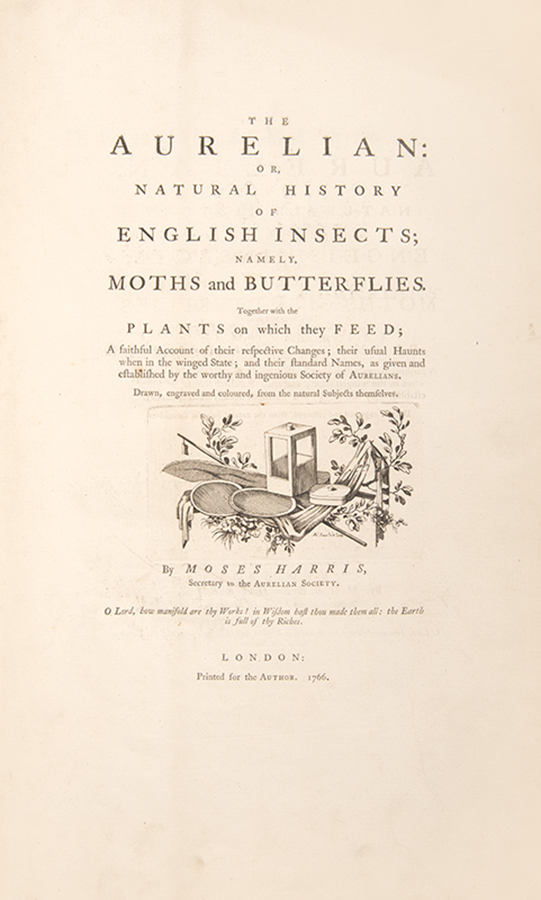


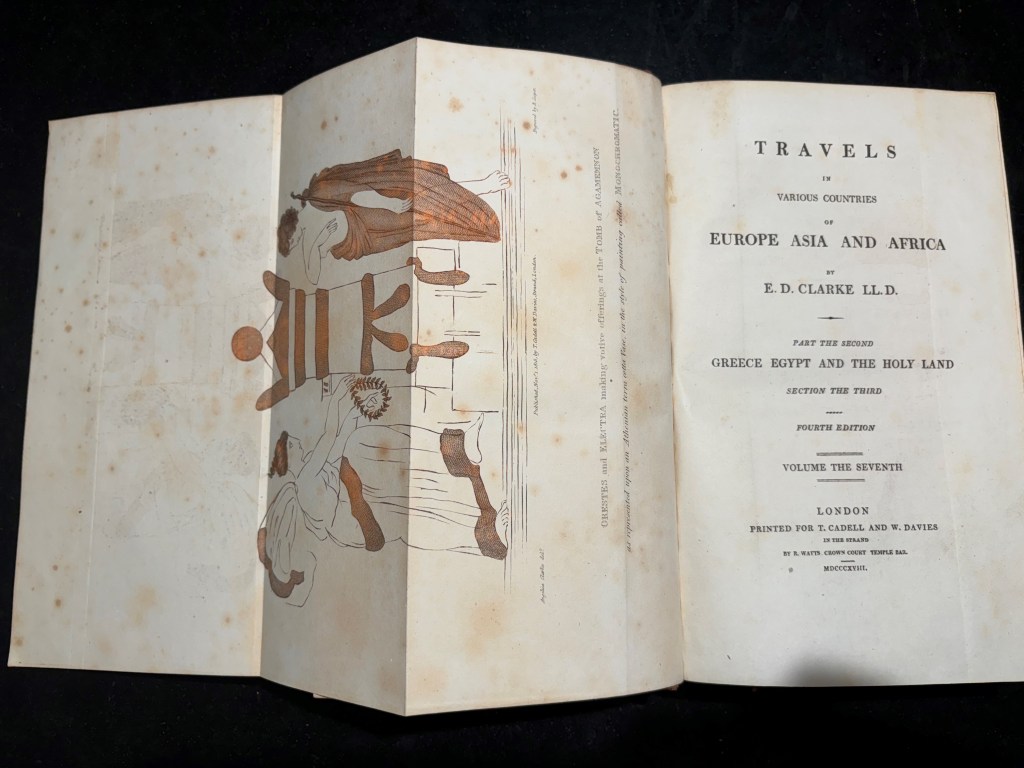


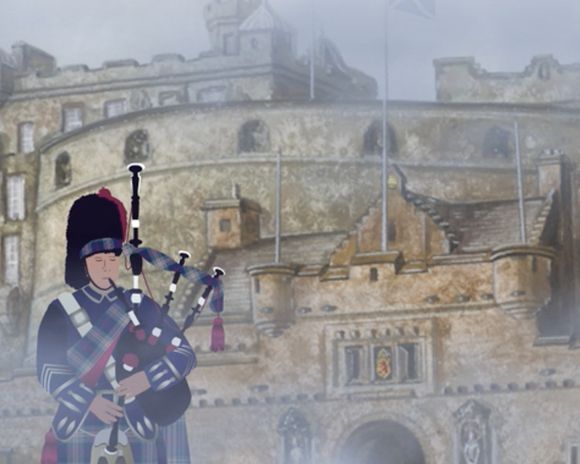


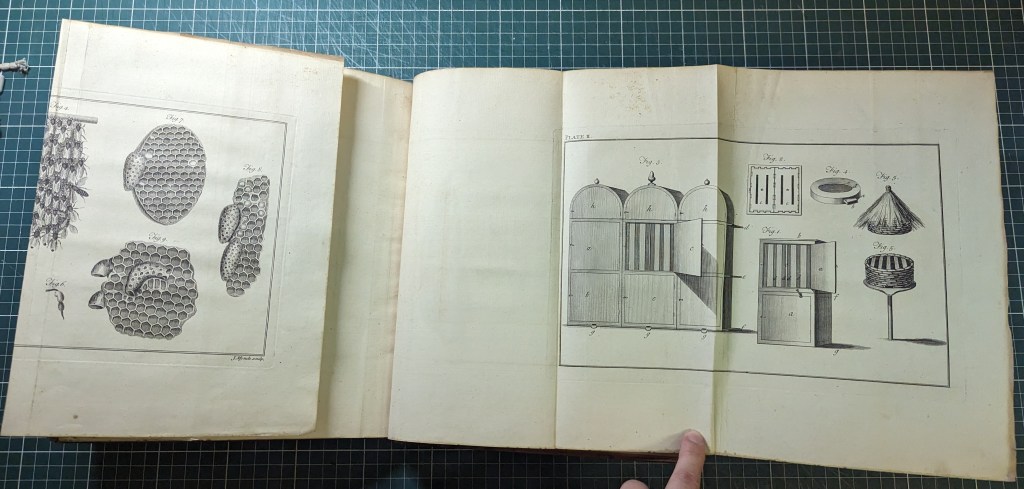

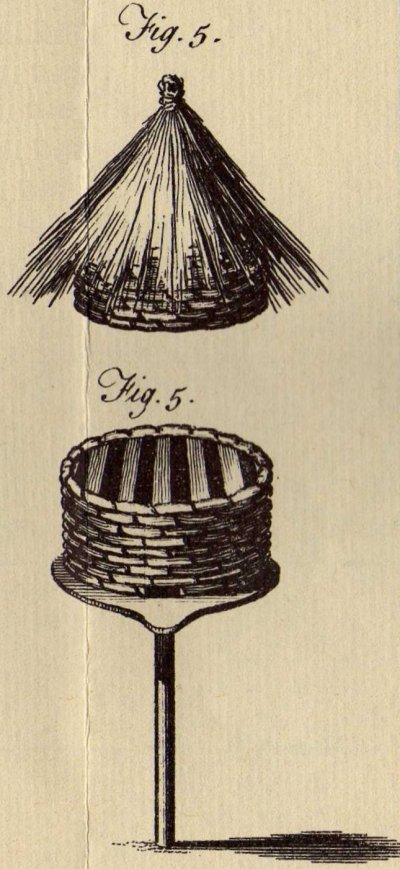


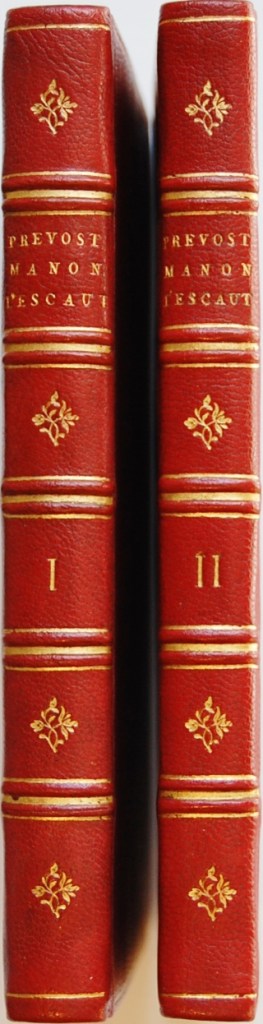




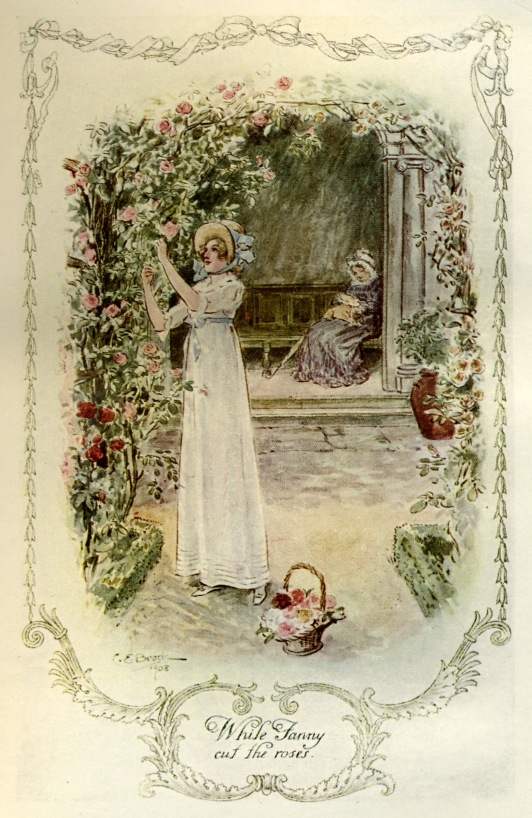

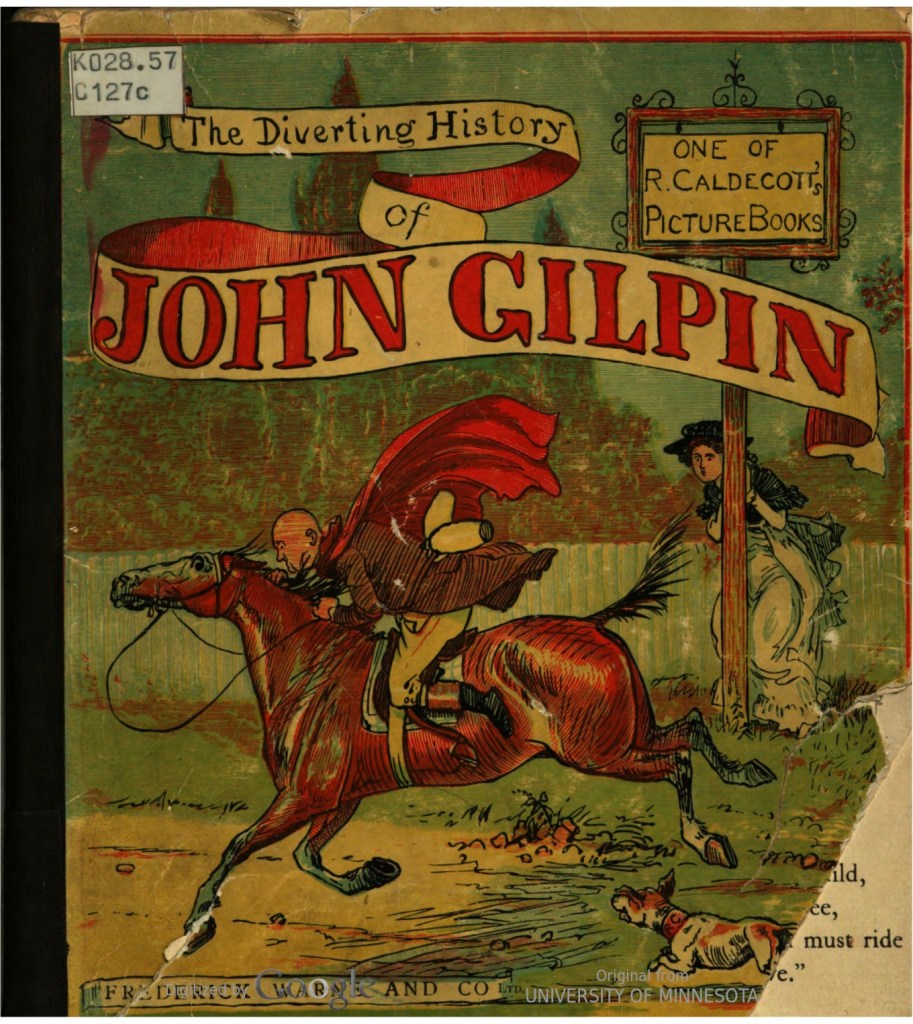
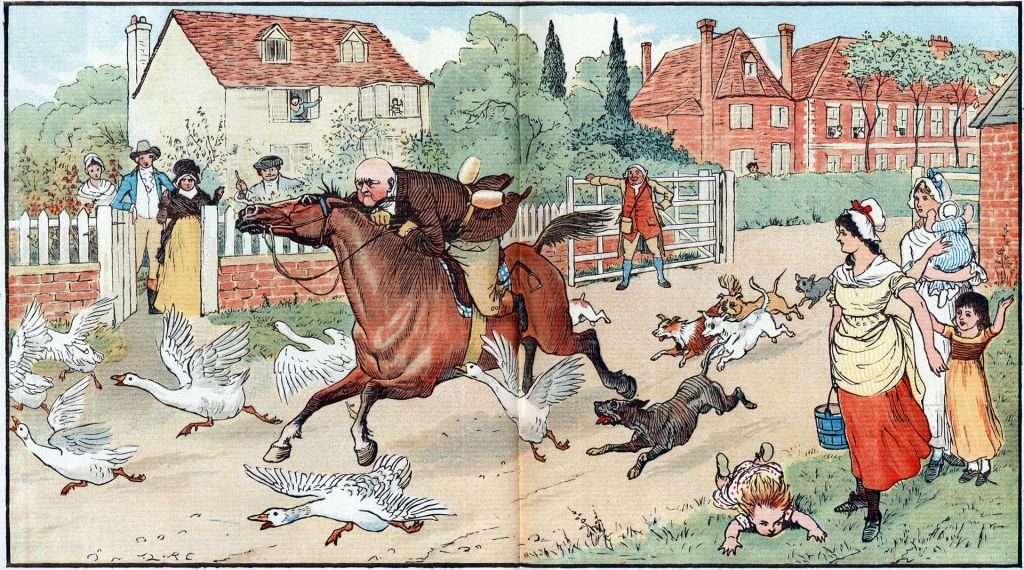
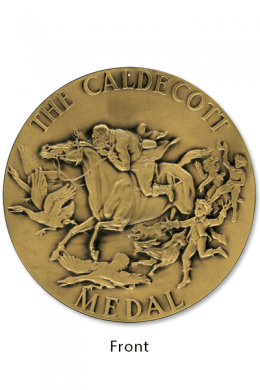
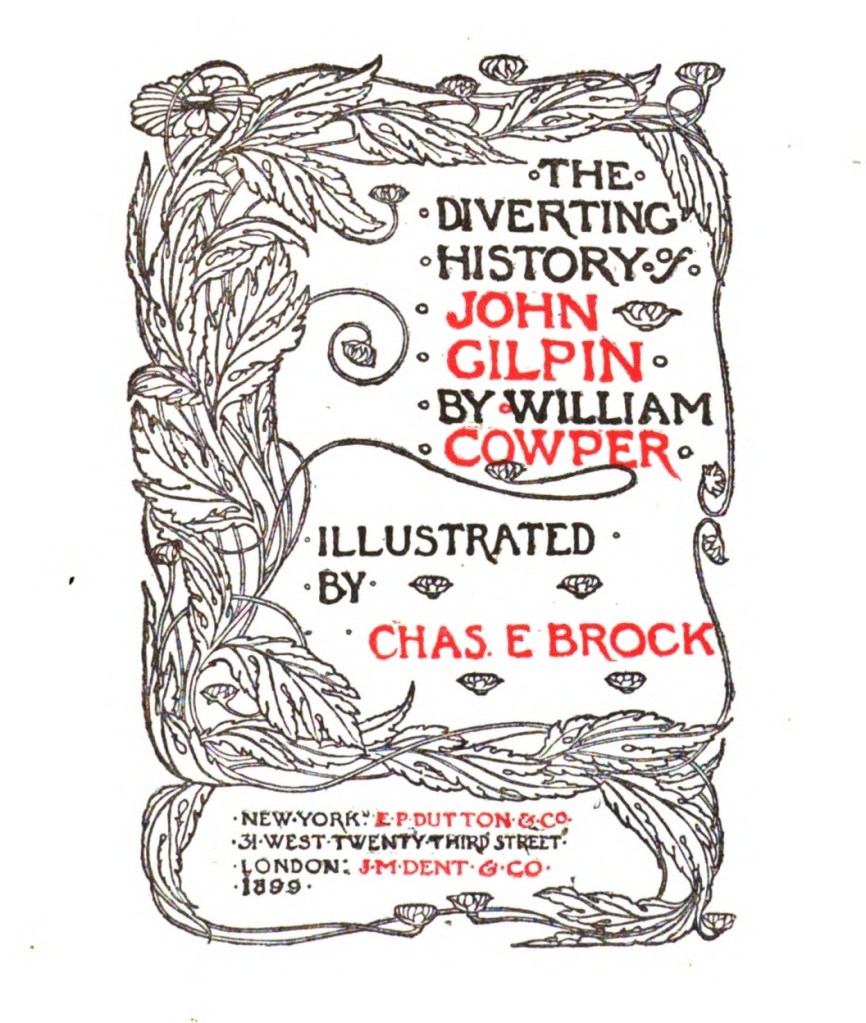


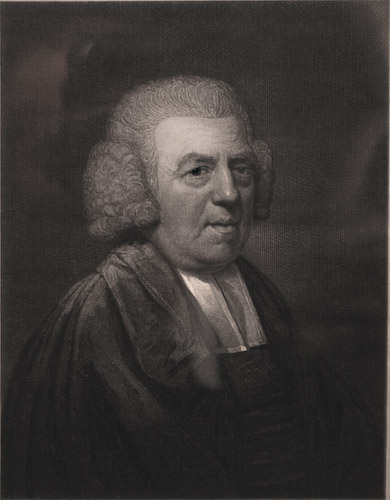

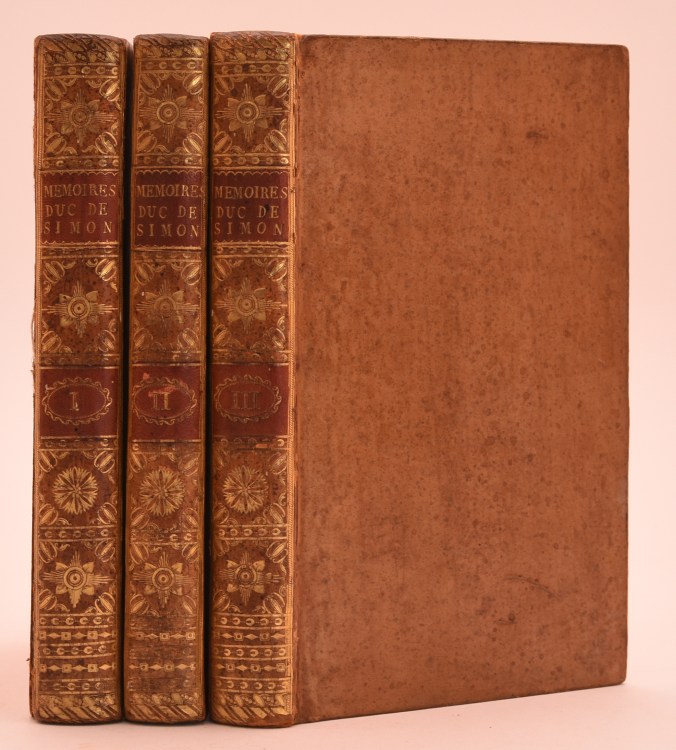
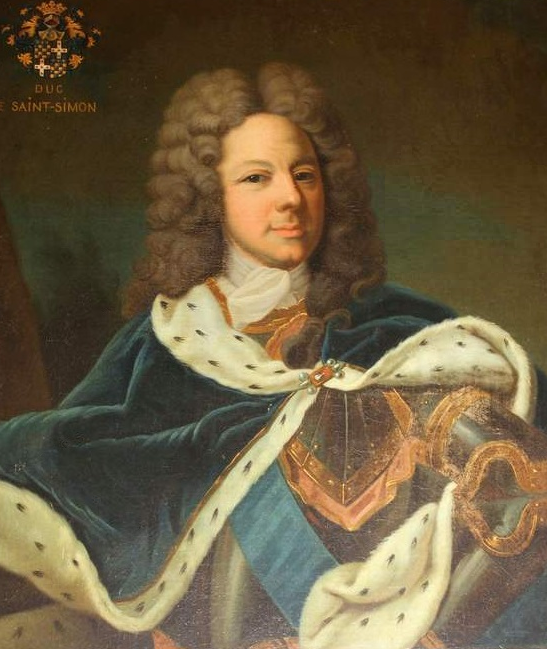

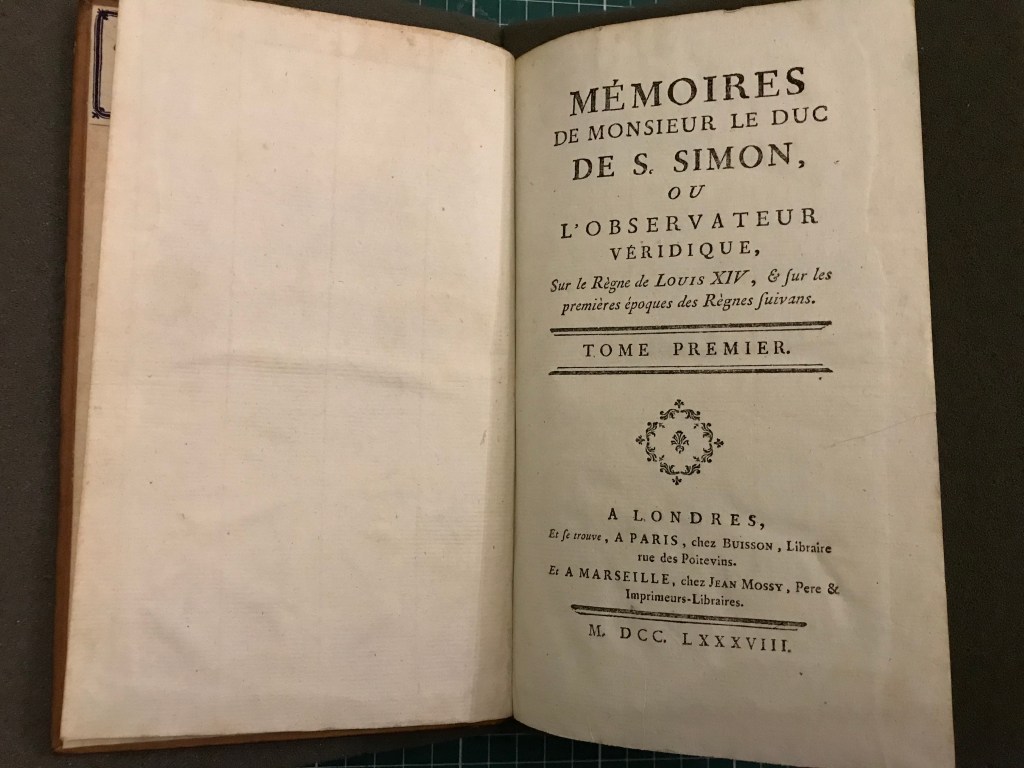

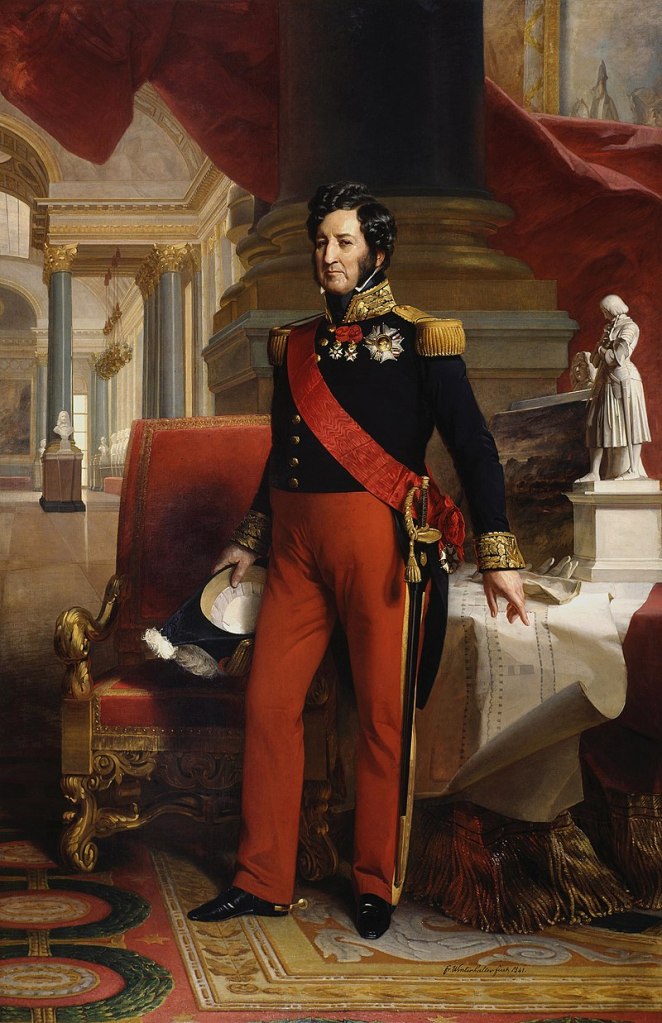


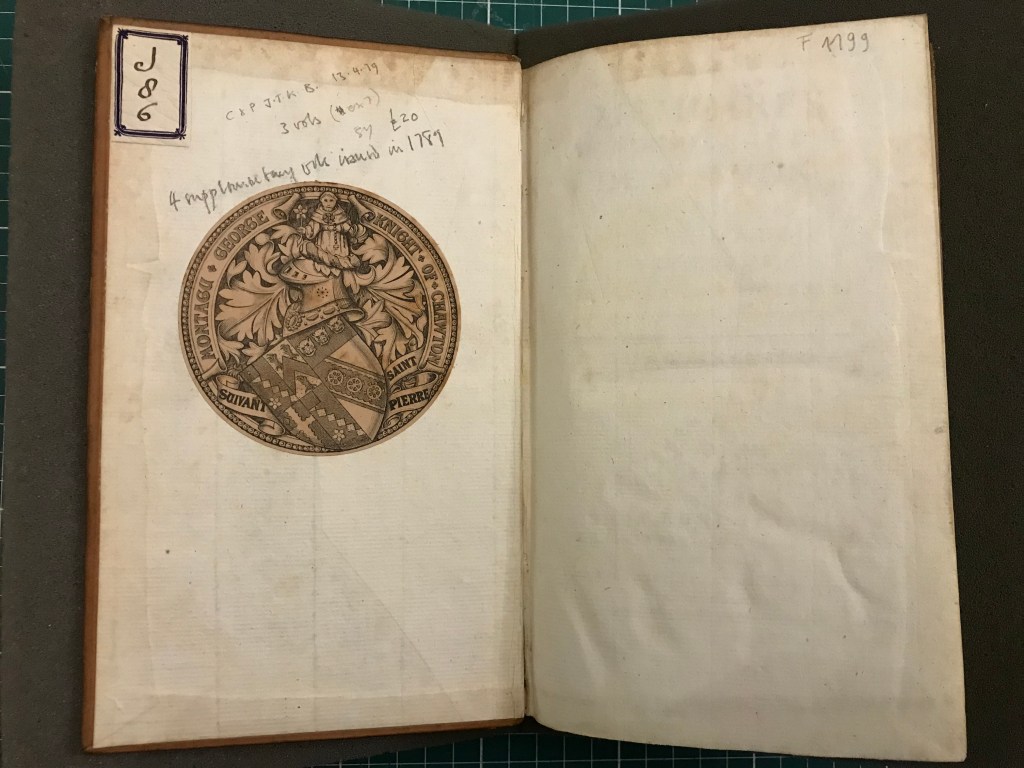

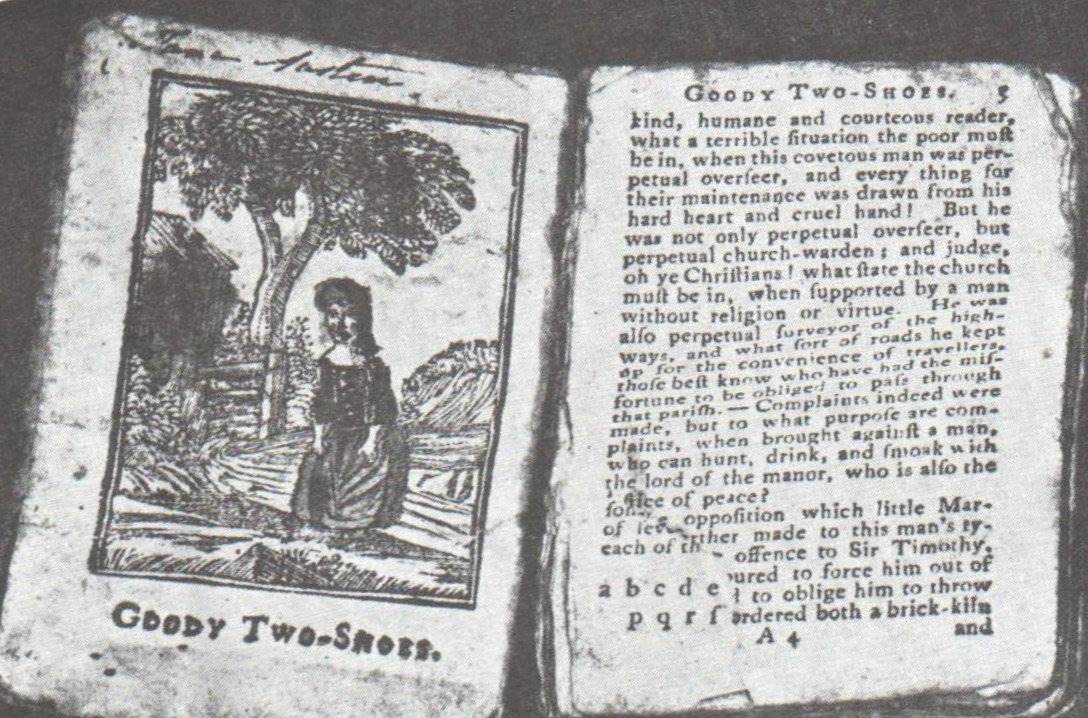
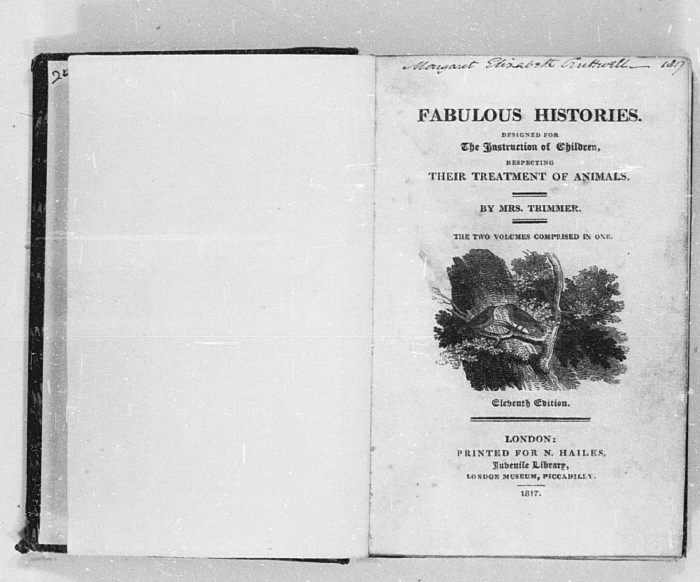
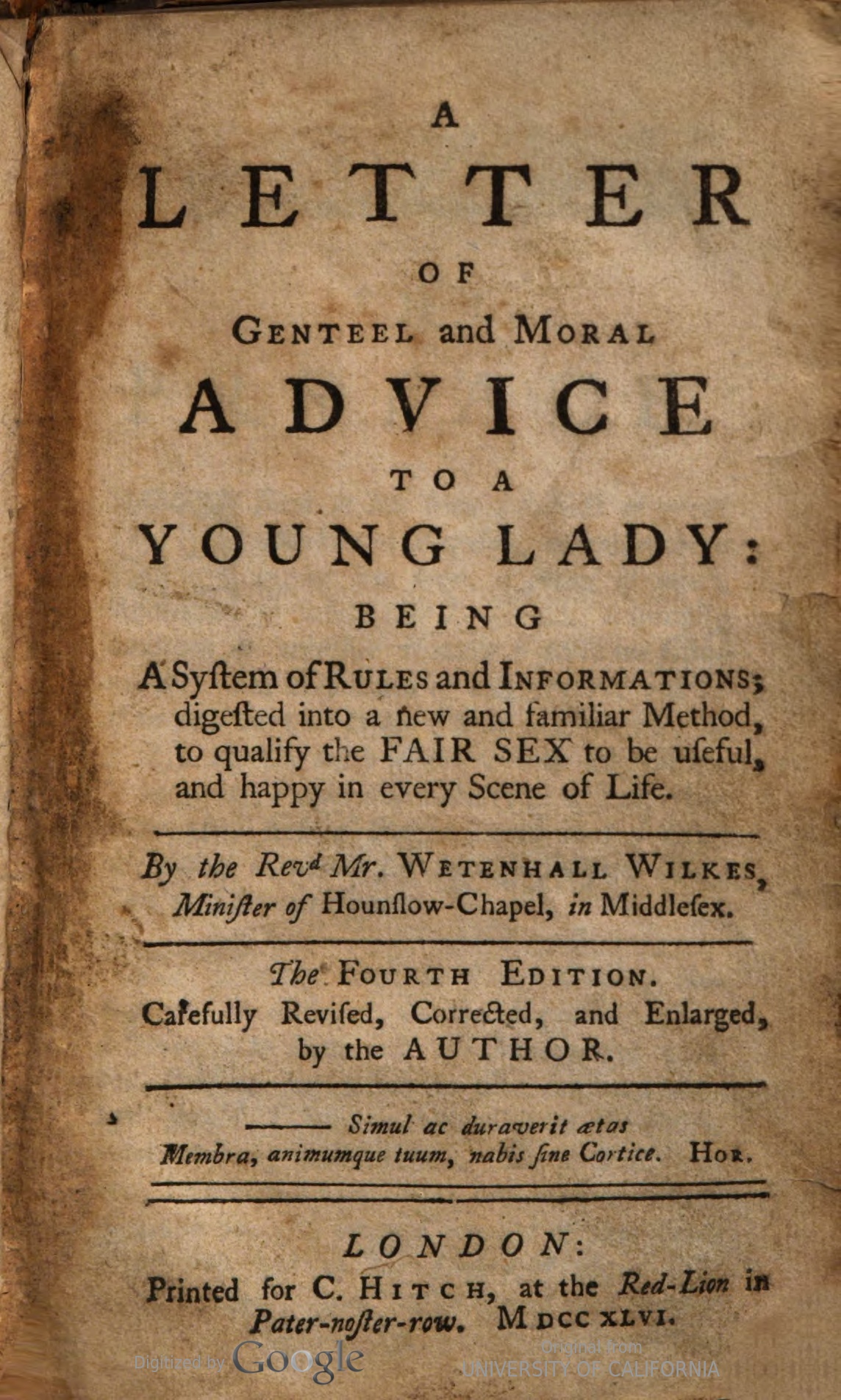
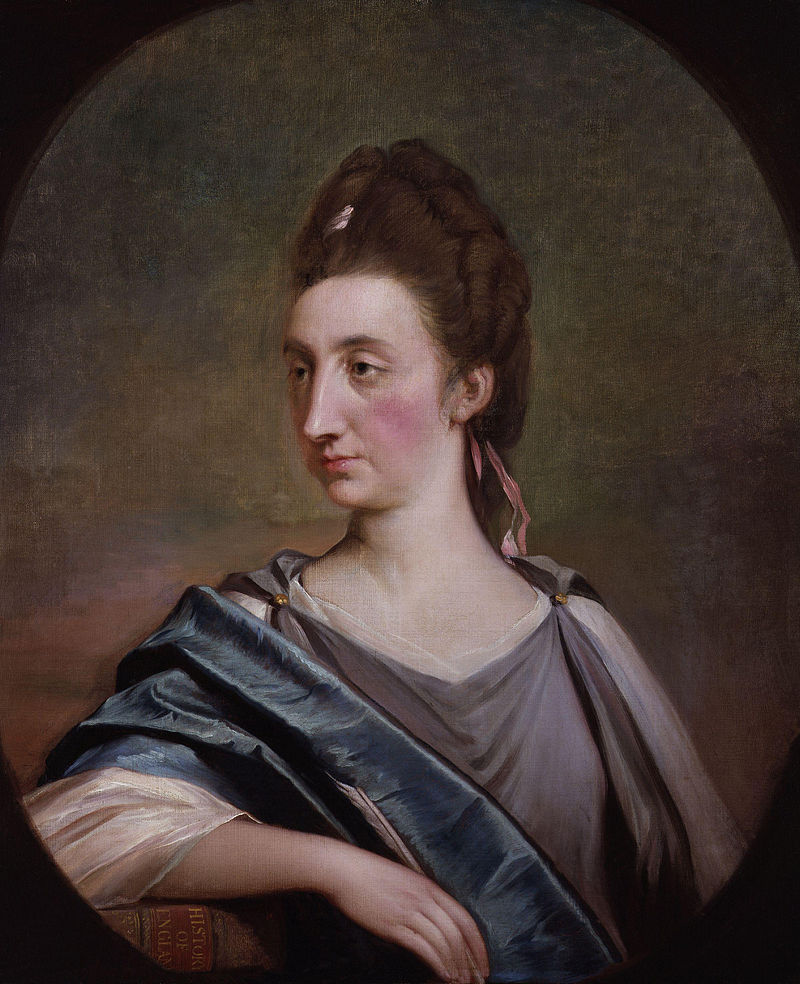

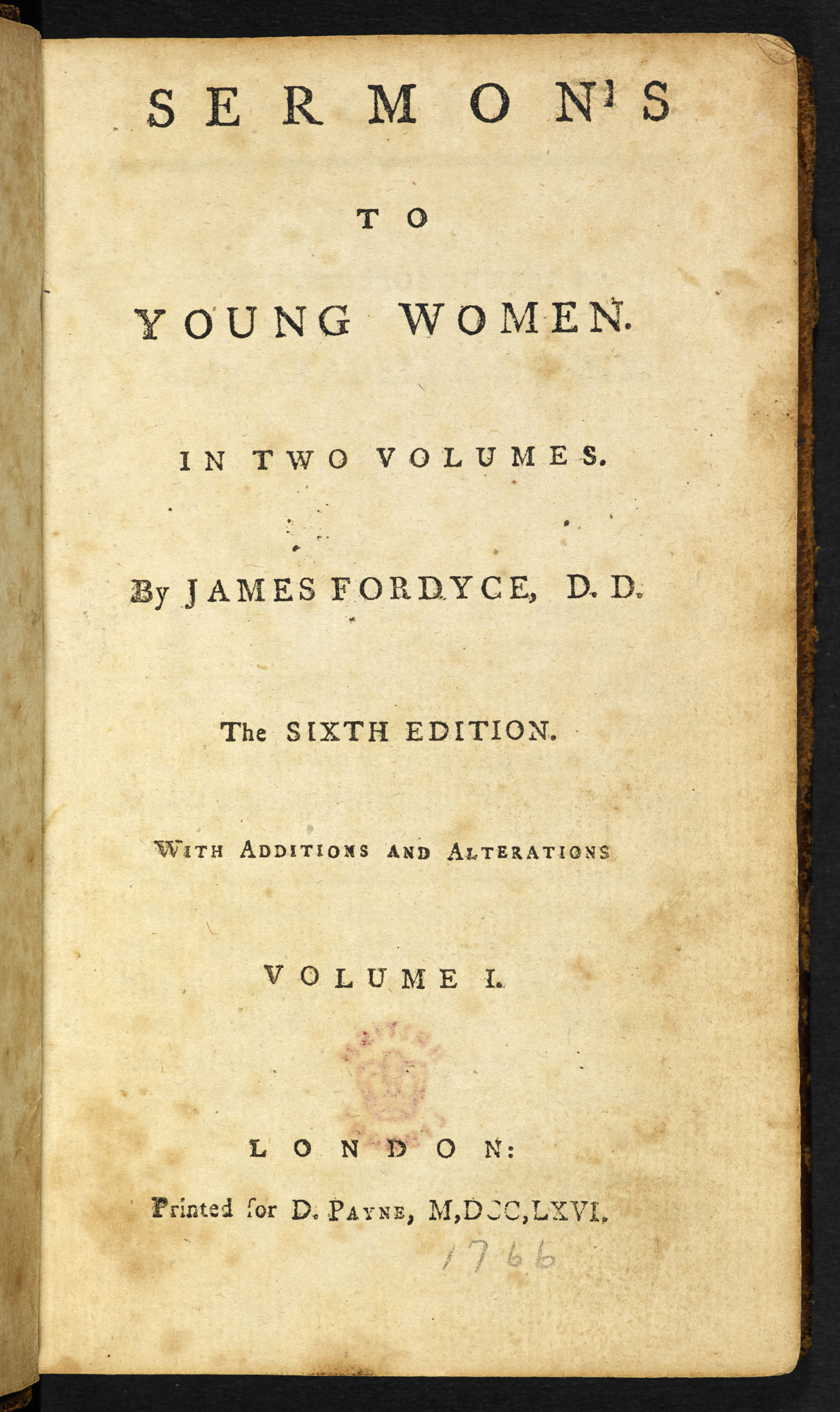

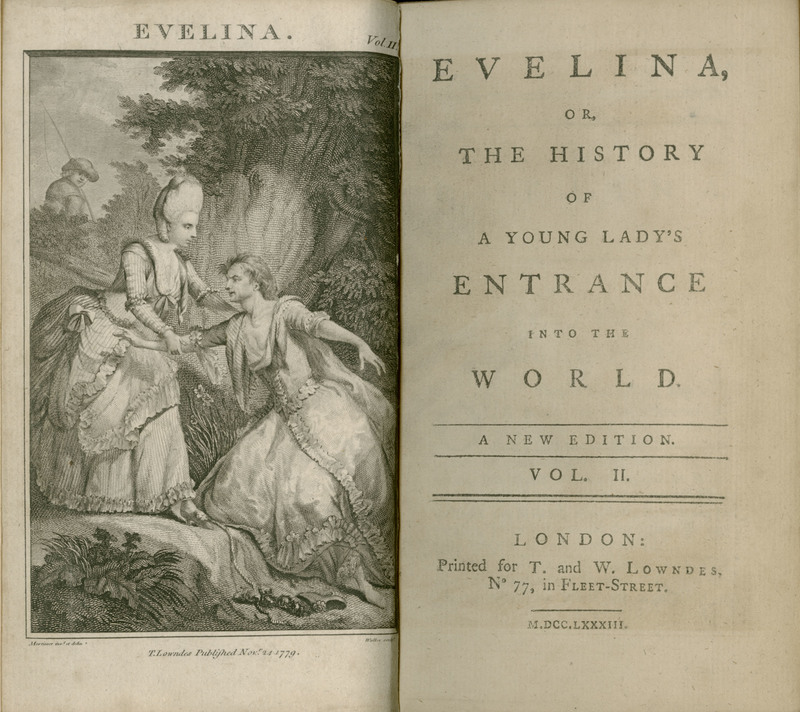


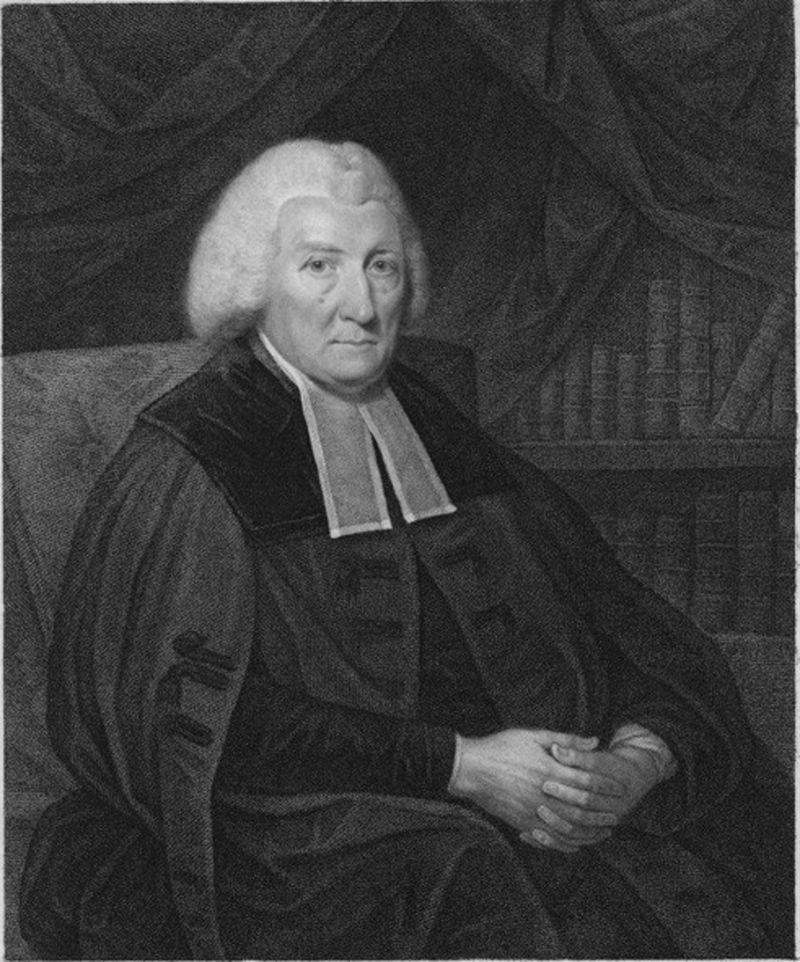


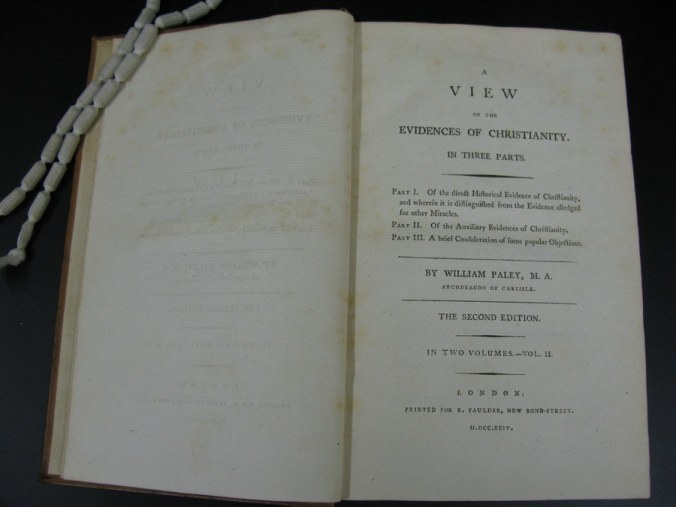


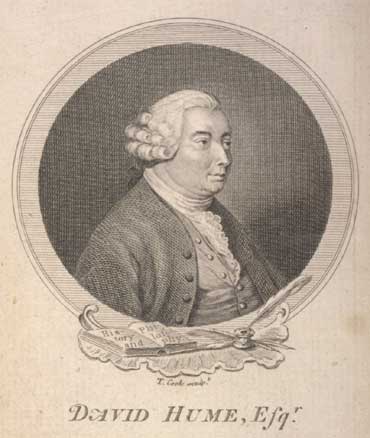
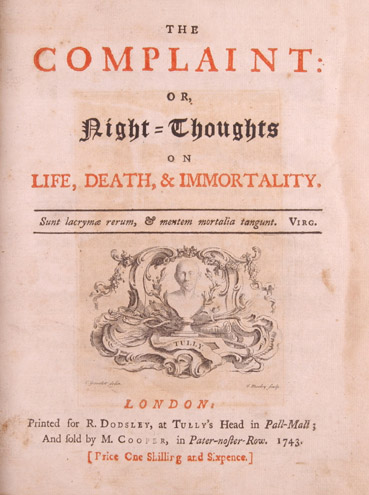
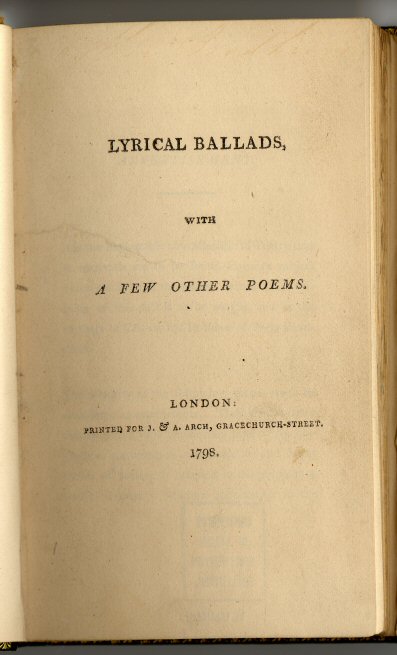
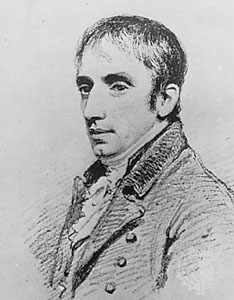
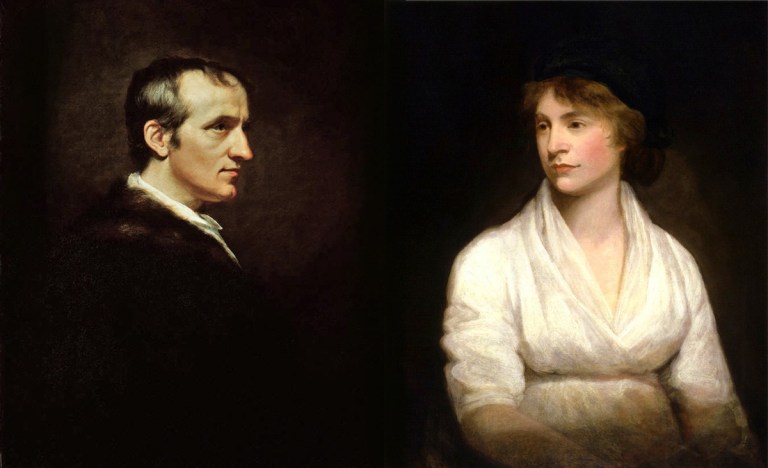

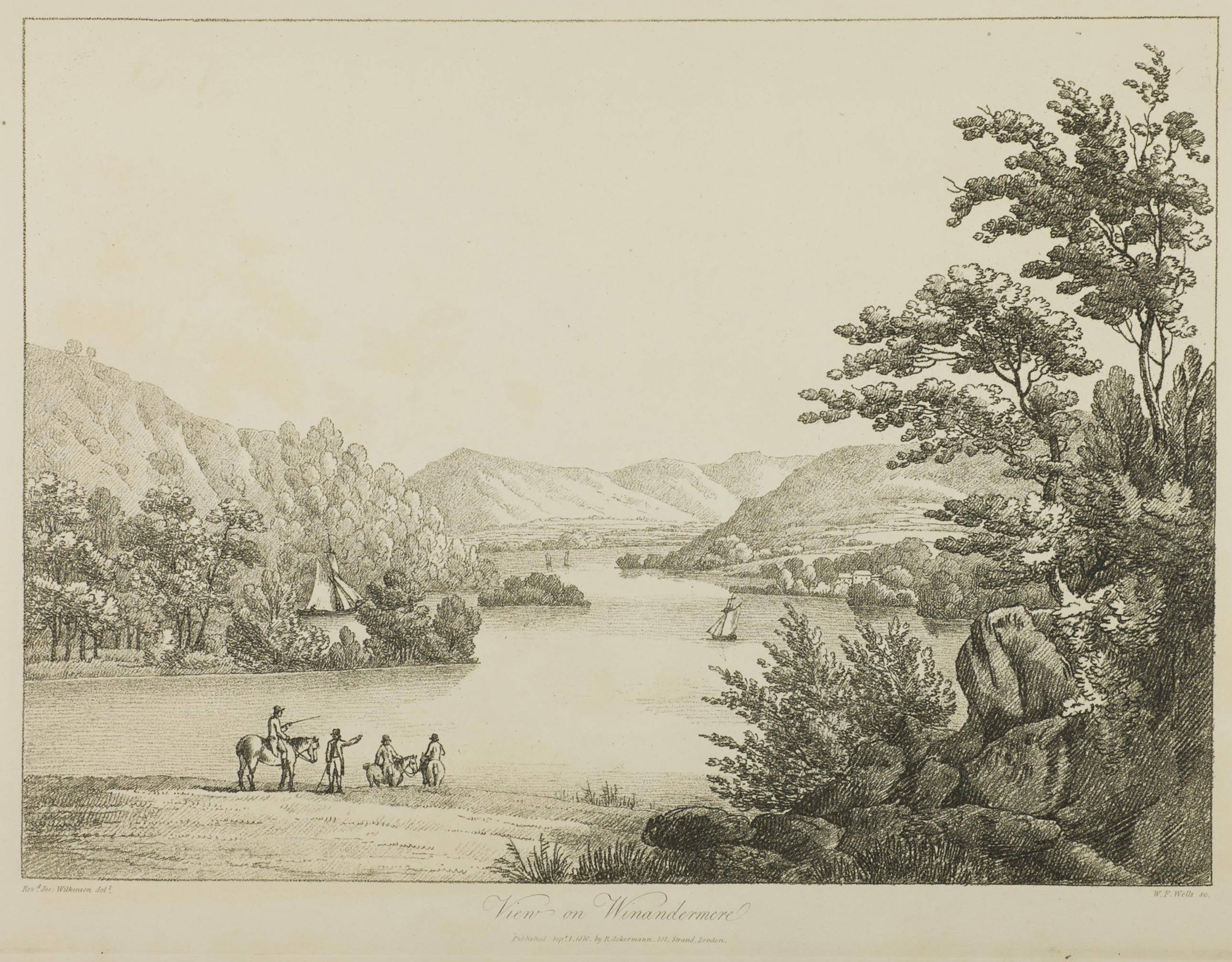
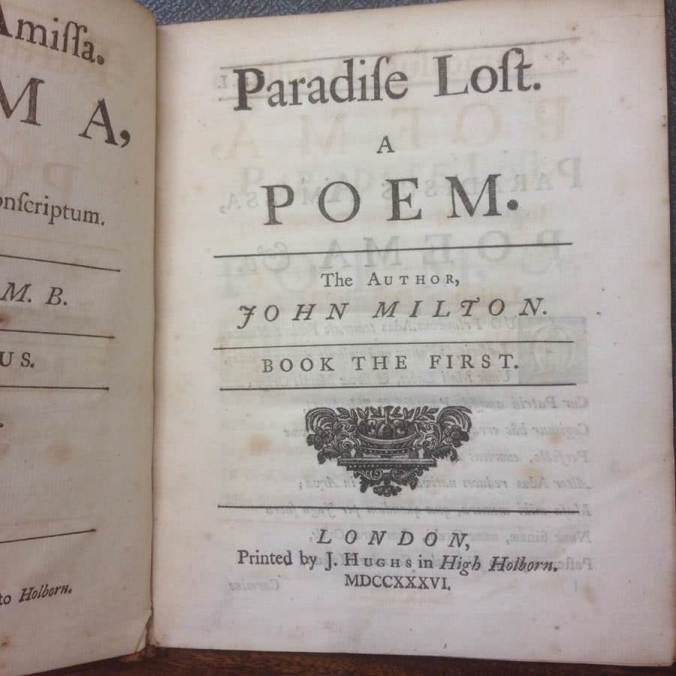


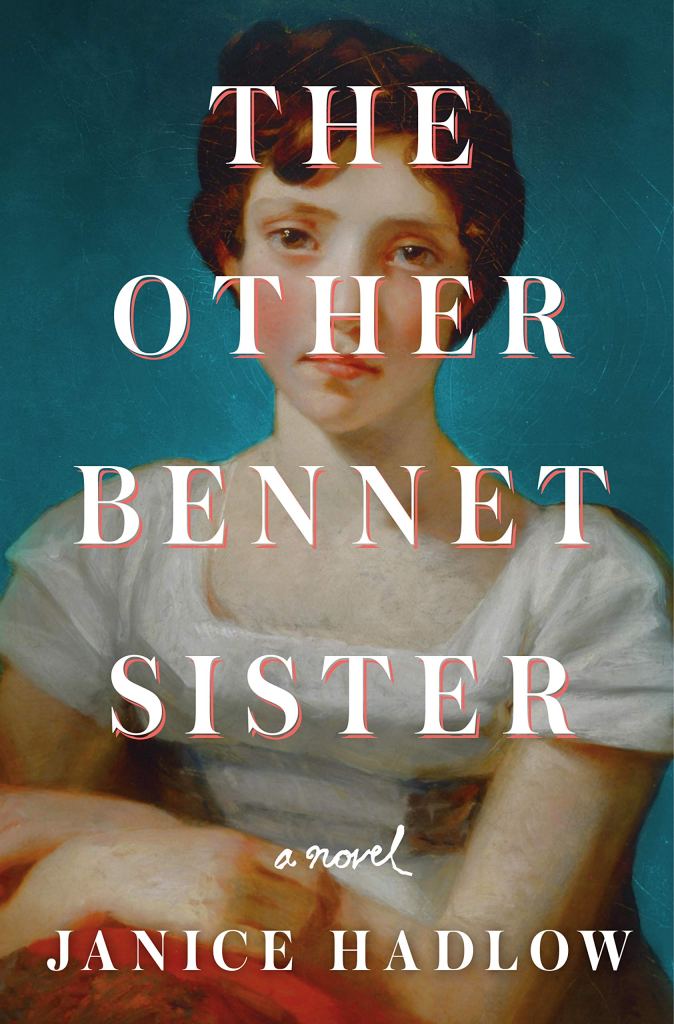 into her own, that despite what she viewed as an unhappy childhood, she finds her way through a good number of books in a quest to live a rational, passionless existence. And that the development of some well-deserved self-esteem with the help of various friends and family, might actually lead her to a worthy equal partner in life, just maybe not with Mrs. Bennet’s required £10,000 !
 Our GLOSS Team is very pleased to announce a new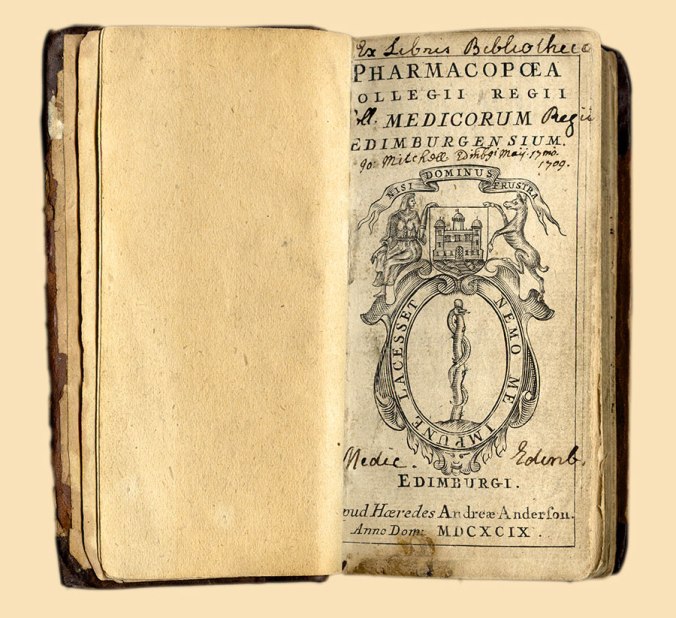


 According to Wikipedia, “Sir John Dalrymple of Cousland, 4th Baronet (1726 – 26 February 1810) was a Scottish advocate, judge, chemist and author. He is best known for his Memoirs of Great Britain and Ireland from the dissolution of the last parliament of Charles II until the sea battle of La Hogue, first published in 1771. A new edition of 1790 carried on to the capture of the French and Spanish navies at Vigo. The Dalrymples formed a dynasty among the legal profession in Scotland. Although a central figure in the
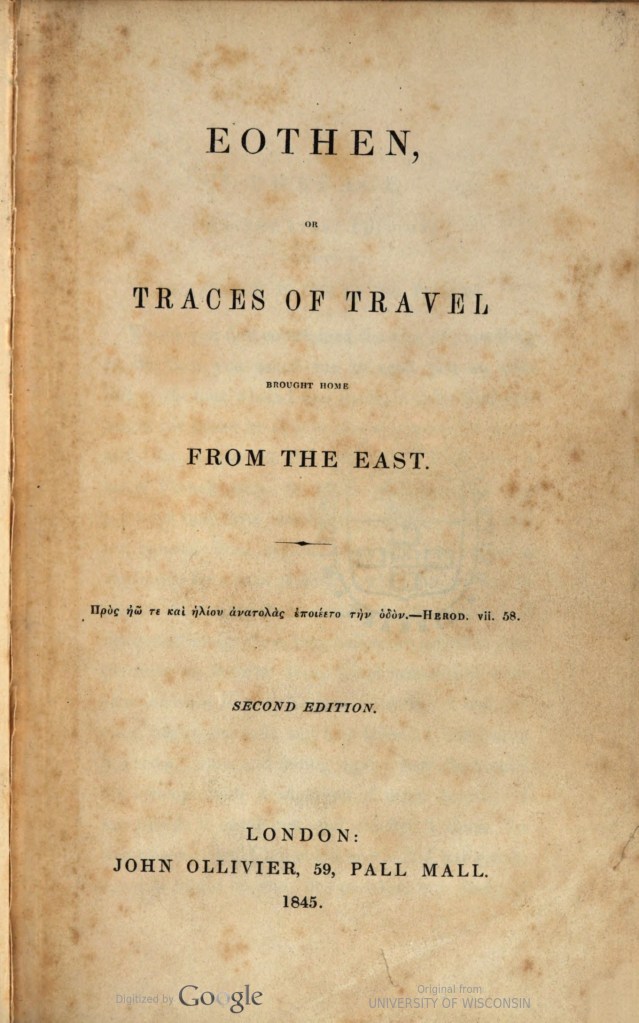


 Portrait of Sumner attributed to Eden Upton Eddis – Wikipedia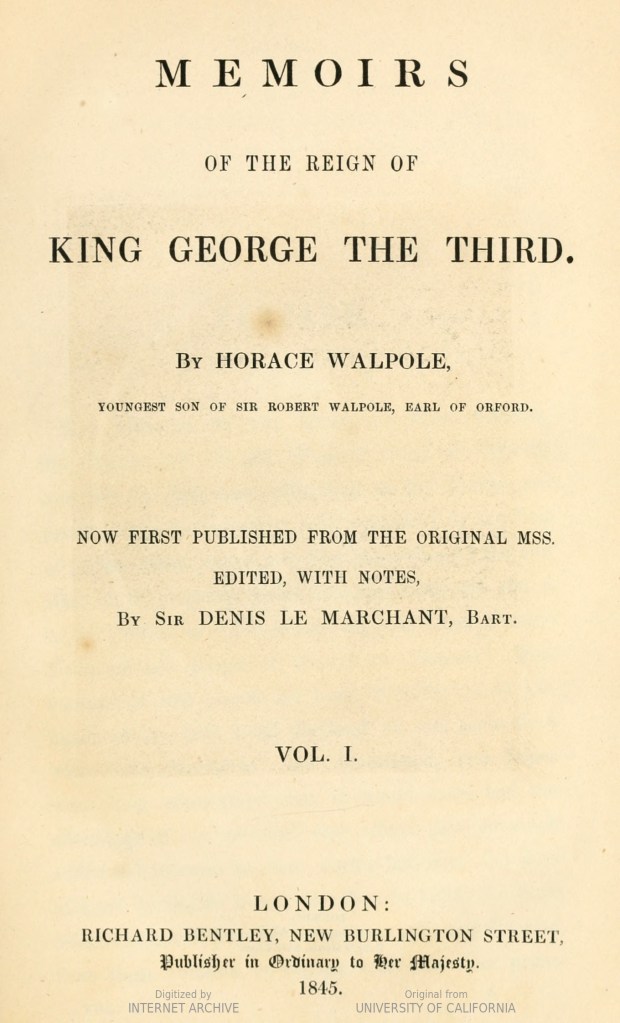


 Portrait of Lorenzo de’ Medici, 15th century,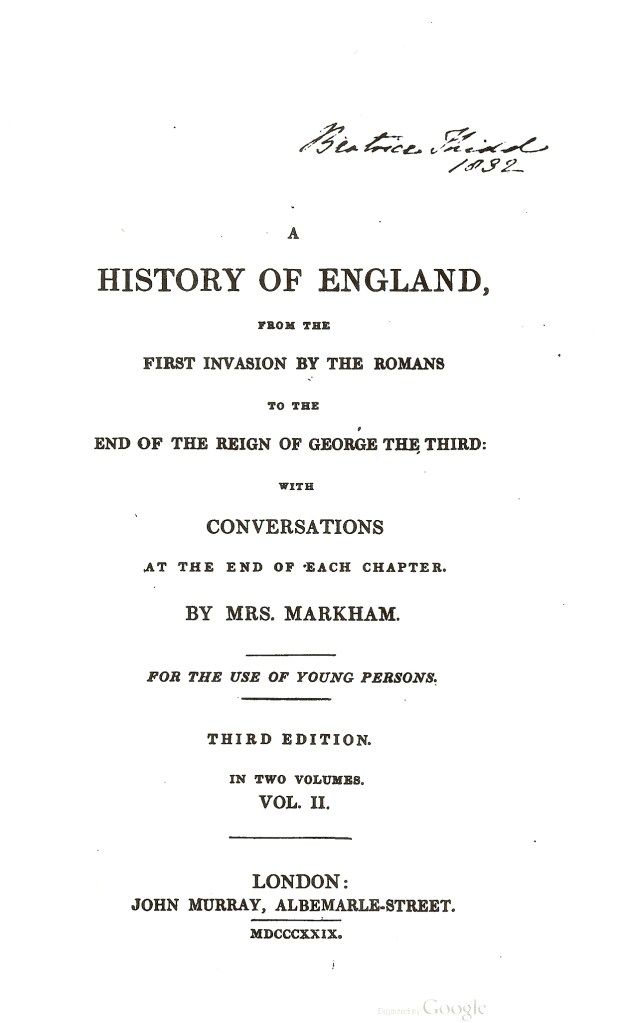
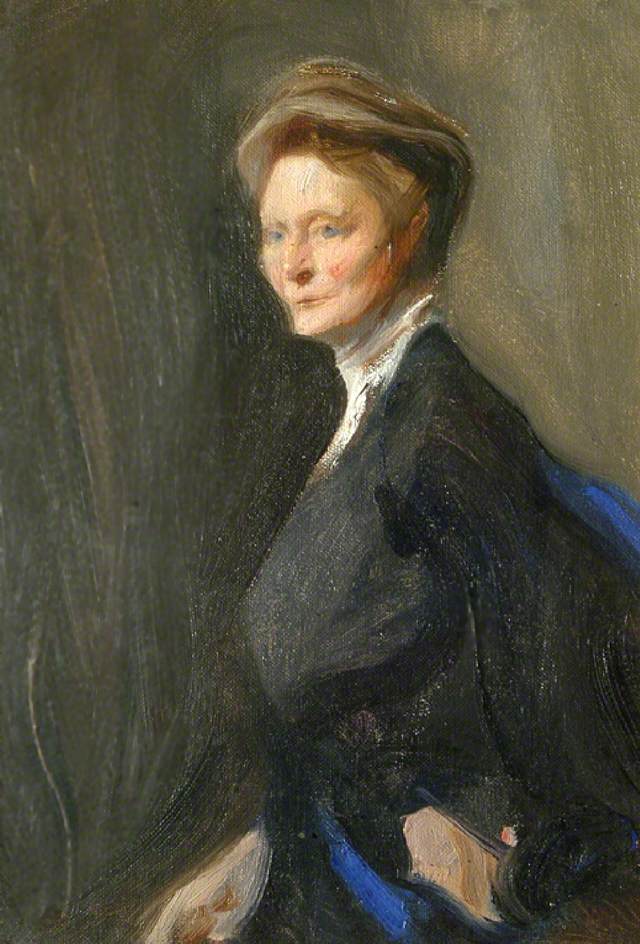
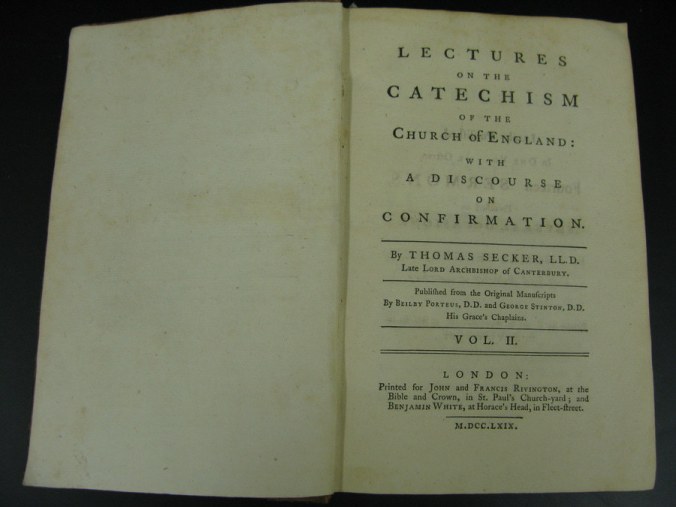






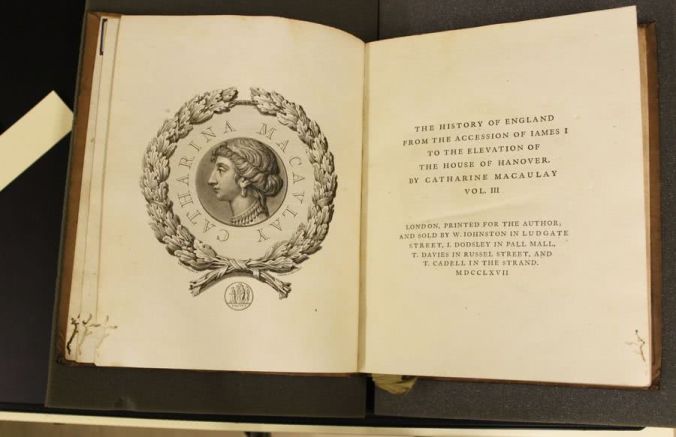
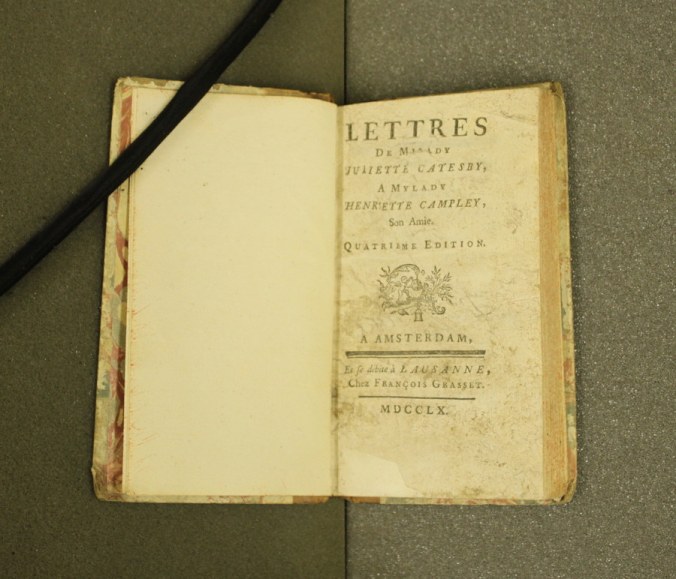


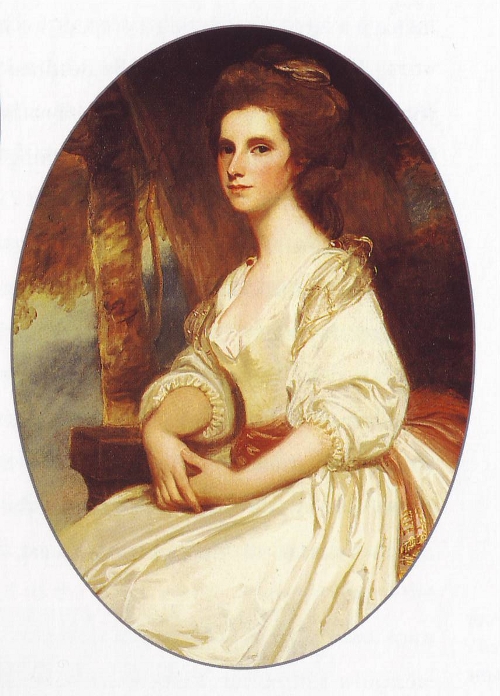

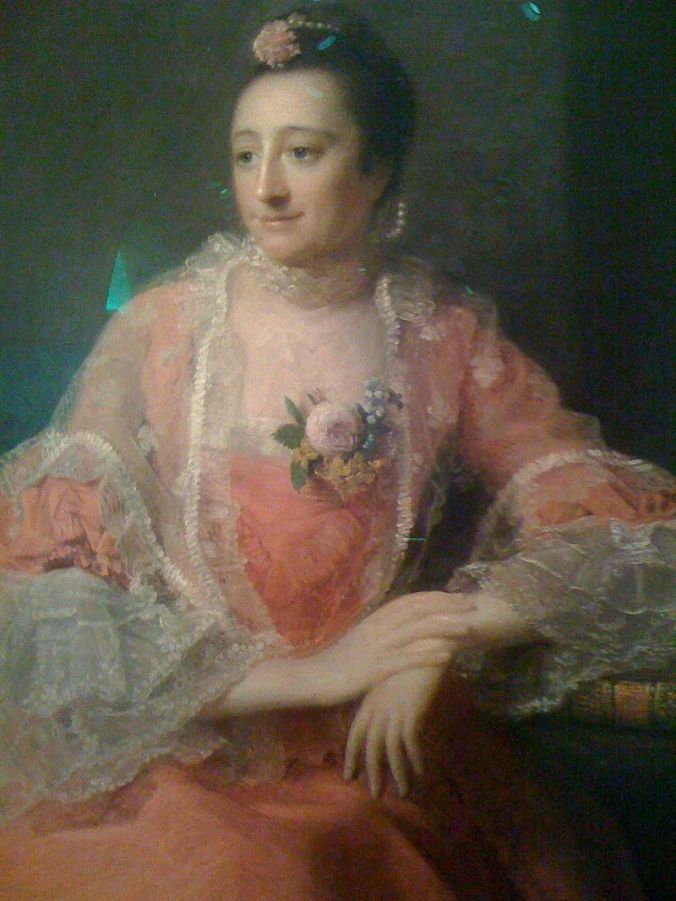
 Scott published all her works anonymously, though as with Jane Austen, it was likely an “open secret” among her friends and correspondents. Her first novel was The History of Cornelia, published in 1750, and wherein the Heroine has a number of Gothic encounters but returns to a rational and safe view of the world, the book similar to Northanger Abbey in its emphasis on the dangers of reading and female sexuality.


 and Fortunes of a Young Lady of Some Distinction (1754). A loose translation of Le Laideur aimable by Pierre Antoine, Marquis de La Place, it is a morality tale of two sisters, one beautiful but vain, and the other plain but virtuous. There is a copy at the British Library, a free ebook on Google Books, and a Gale ECCO reprint POD.


 -The Life of Theodore Agrippa d’Aubigné, Containing a Succinct Account of the Most Remarkable Occurrences during the Civil Wars of France in the Reigns of Charles IX, Henry III, Henry IV, and in the Minority of Lewis XIII (1772). [No author noted.] Theodore Agrippa d’Aubigné (1552-1630) was a French poet, soldier, and historian. At the British Library and a few other libraries in the UK and one in Dublin; full text at HathiTrust and Google (same copy); various reprints available.
 Reading with Austen